Why is my puppy vomiting and having diarrhea? The answer is: puppy vomiting and diarrhea can be caused by anything from minor tummy troubles to serious illnesses that need immediate vet attention. As a fellow dog owner who's cleaned up more puppy messes than I can count, I can tell you this is super common - but that doesn't mean you should ignore it. Your puppy's tiny body can get dehydrated fast, especially if they're under 4 months old. We'll walk through all the possible causes together, from the harmless (like eating too fast) to the dangerous (like parvovirus), so you'll know exactly when to call your vet and how to help your furry friend feel better fast.
E.g. :Cat Electrocution: 5 Life-Saving Steps When Your Kitty Bites a Cord
- 1、Why Is My Puppy Vomiting and Having Diarrhea?
- 2、The Science Behind Puppy Tummy Upsets
- 3、Puppy Proofing 101: Preventing Tummy Disasters
- 4、When Home Care Is Enough
- 5、Vet Visits: What to Expect
- 6、Prevention Is the Best Medicine
- 7、Final Thoughts from a Fellow Puppy Parent
- 8、The Hidden Dangers in Your Backyard
- 9、The Emotional Side of Puppy Illness
- 10、Beyond the Basics: Advanced Puppy Care
- 11、Puppy First Aid Kit Essentials
- 12、The Financial Side of Puppy Healthcare
- 13、Training Tips to Prevent Dietary Disasters
- 14、Understanding Your Puppy's Unique Needs
- 15、FAQs
Why Is My Puppy Vomiting and Having Diarrhea?
Hey there, fellow puppy parent! If you're reading this, chances are your little furball is having some tummy troubles. Don't worry - I've been there too. Let's talk about what might be causing this mess (literally) and when you should rush to the vet.
The Usual Suspects Behind Puppy Tummy Troubles
Puppies explore the world with their mouths, which means they'll put anything in there. From my experience, here are the most common culprits:
| Cause | How Common? | Emergency Level |
|---|---|---|
| Eating random objects | Very common | Moderate to high |
| Diet changes | Common | Low |
| Parasites | Very common | Moderate |
| Viruses | Common | High |
Did you know that 80% of puppy owners deal with vomiting or diarrhea in their pup's first year? It's practically a rite of passage! But let's get serious for a moment - some causes are more dangerous than others.
When to Hit the Panic Button
Here's the deal: any puppy under 4 months old with vomiting or diarrhea needs vet attention ASAP. Their little bodies can't handle fluid loss like older dogs can. I learned this the hard way when my golden retriever pup, Max, got sick at 10 weeks old.
Other red flags include:
- Blood in vomit or stool (even just a little)
- Lethargy or weakness
- Not keeping water down
- Swallowing something dangerous (like your favorite socks)
The Science Behind Puppy Tummy Upsets
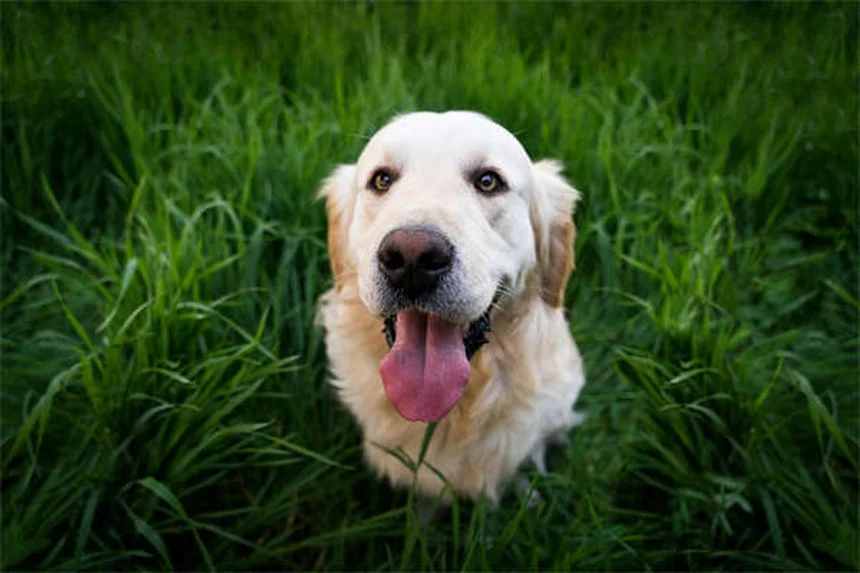 Photos provided by pixabay
Viruses: The Invisible Enemies
Parvovirus is the big bad wolf of puppy viruses. It's highly contagious and can be deadly if untreated. But here's some good news - vaccines can prevent most cases! Puppies need a series of shots, typically at 6, 9, 12, and 16 weeks.
Other viruses to watch for include coronavirus and distemper. Think of these like the puppy version of the flu - but way more serious. If your pup hasn't finished their vaccine series, keep them away from dog parks and other high-risk areas.
Bacteria: The Gut Party Crashers
Your puppy's gut is home to billions of bacteria - most are good, but some can cause problems. Ever heard the saying "too much of a good thing"? That applies here. Stress or diet changes can let the bad bacteria take over.
Common troublemakers include:
- Salmonella (yes, the same one that gives humans food poisoning)
- E. coli (normally harmless in small amounts)
- Campylobacter (another one that can spread to humans)
Puppy Proofing 101: Preventing Tummy Disasters
The "Don't Eat That!" Challenge
Puppies are like toddlers with sharper teeth. They'll chew and swallow anything that fits in their mouth. I once found my puppy trying to eat a LEGO - the tiny kind that disappears into the carpet!
Here's my top tip: get on your hands and knees and look at your home from your puppy's perspective. Anything smaller than a golf ball is fair game to them. Common hazards include:
- Shoes (especially the insoles)
- Remote controls (those buttons are irresistible)
- Children's toys
- Hair ties and rubber bands
 Photos provided by pixabay
Viruses: The Invisible Enemies
Changing your puppy's food too fast is like giving a kid nothing but candy after eating veggies their whole life - their system freaks out! Here's how to do it right:
- Week 1: 75% old food, 25% new food
- Week 2: 50/50 mix
- Week 3: 25% old, 75% new
- Week 4: All new food
Is your puppy extra sensitive? You might need to stretch this out over 6-8 weeks. Trust me, the extra time is worth avoiding cleanup duty!
When Home Care Is Enough
The Bland Diet Solution
For mild cases in older puppies (over 4 months), you can try this simple recipe:
- 2 parts cooked white rice
- 1 part boiled chicken (no skin or bones)
Serve small amounts every 3-4 hours. Think of it as puppy chicken soup! After 24-48 hours without vomiting, you can slowly reintroduce their regular food.
Hydration Station
Dehydration is the real danger with vomiting and diarrhea. Here's how to check:
- Gum test: Press on their gums - color should return within 2 seconds
- Skin test: Gently pinch the skin on their neck - it should snap back quickly
If you're worried about dehydration, ask your vet about puppy-safe electrolyte solutions. They're like Gatorade for dogs!
Vet Visits: What to Expect
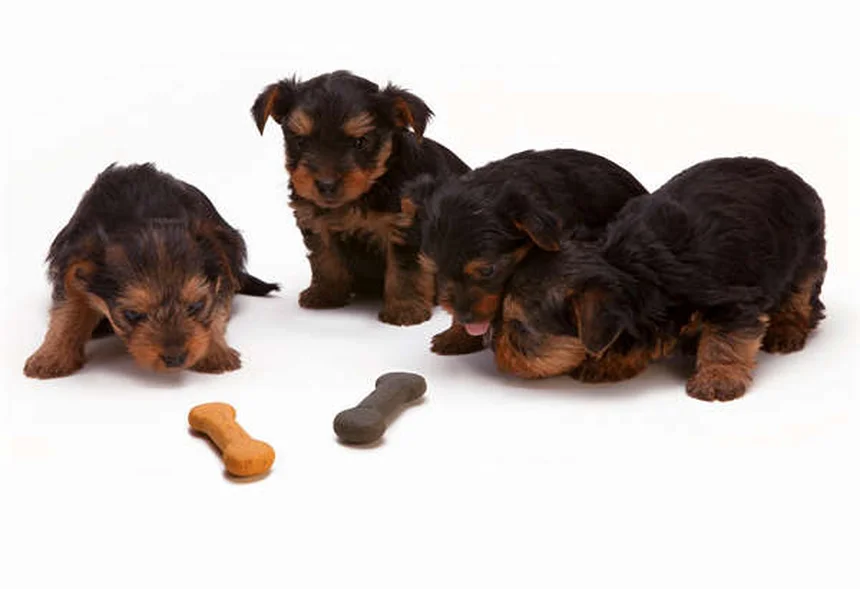 Photos provided by pixabay
Viruses: The Invisible Enemies
When you take your puppy in, the vet will likely:
- Do a physical exam (checking temperature, hydration, etc.)
- Run a fecal test (looking for parasites)
- Possibly do blood work or x-rays
Bring any vaccination records and be ready to answer questions about:
- When symptoms started
- What the vomit/diarrhea looks like
- Any recent diet changes
- Possible things they might have eaten
Treatment Options
Depending on the cause, treatment might include:
- Anti-nausea medication
- IV fluids for dehydration
- Antibiotics for bacterial infections
- Special prescription diets
- In severe cases, surgery (for blockages)
The good news? Most puppies bounce back quickly with proper treatment. My Max was back to chewing my shoes within 48 hours of his vet visit!
Prevention Is the Best Medicine
Vaccination Schedule
Stick to your vet's recommended vaccine schedule like it's puppy law. Missing even one booster can leave your pup vulnerable. Here's a typical timeline:
| Age | Vaccines |
|---|---|
| 6-8 weeks | First round (DHPP) |
| 10-12 weeks | Second round + Bordetella |
| 14-16 weeks | Final puppy shots + rabies |
Parasite Protection
Monthly preventatives are your best defense against worms and other parasites. Many heartworm medications also protect against intestinal parasites - two for one!
Did you know some parasites can spread to humans? That's right - puppy worms aren't just gross, they can be dangerous. Regular deworming protects your whole family.
Final Thoughts from a Fellow Puppy Parent
Puppy tummy troubles are stressful, but you're not alone. Every dog owner goes through this at some point. The key is knowing when to wait it out and when to call the vet.
Remember: when in doubt, check it out. It's always better to be safe than sorry with our furry little troublemakers. Now go give your pup some gentle belly rubs (if they're feeling up to it)!
The Hidden Dangers in Your Backyard
Toxic Plants You Never Suspected
You'd be shocked what common garden plants can wreak havoc on your puppy's digestive system. That beautiful azalea bush? Highly toxic. Those tulips you planted last fall? Dangerous when dug up by curious paws.
Here's something most new puppy owners don't consider - mulch can be just as dangerous as plants! Cocoa bean mulch smells delicious to dogs but contains theobromine, the same compound that makes chocolate toxic. I learned this after my neighbor's Labrador spent a night at the emergency vet.
Pesticides and Fertilizers - Silent Threats
That lush green lawn might be hiding chemicals that could send your puppy straight to the vet. Many common weed killers and fertilizers contain ingredients that cause vomiting and diarrhea when ingested.
Did you know some organic fertilizers use bone meal? To a puppy, this smells like dinner! But when consumed in large quantities, it can cause serious intestinal blockages requiring surgery.
The Emotional Side of Puppy Illness
Stress-Induced Tummy Troubles
Puppies feel stress just like we do - moving to a new home, loud noises, or even changes in routine can upset their delicate digestive balance. Separation anxiety is a huge trigger many owners overlook.
Remember my golden retriever Max? His first Fourth of July fireworks caused such stress diarrhea that we had to redecorate our living room. Now we use calming pheromone diffusers and play soft music during stressful events.
The Human-Puppy Bond During Illness
When your puppy is sick, you might notice they become more clingy or needy. This isn't just your imagination! Dogs often seek comfort from their humans when feeling unwell.
But here's an interesting twist - some puppies actually hide their symptoms because in the wild, showing weakness makes them vulnerable. That's why you need to be extra observant for subtle signs like decreased playfulness or changes in eating habits.
Beyond the Basics: Advanced Puppy Care
Probiotics - The Gut Health Game Changer
After dealing with multiple rounds of puppy diarrhea, I discovered the magic of probiotics. These beneficial bacteria help restore balance to your puppy's digestive system after illness or antibiotic treatment.
Not all probiotics are created equal though! Look for strains specifically formulated for dogs, like FortiFlora. Human probiotics often don't contain the right bacterial strains for canine digestive systems.
The Power of Routine Veterinary Checkups
You might think "no symptoms means no vet visit needed," but regular wellness exams can catch potential issues before they become emergencies. My vet once detected early signs of a parasite infection during a routine fecal exam - before Max showed any symptoms!
Here's a comparison of preventive care versus emergency care costs:
| Care Type | Average Cost | Benefit |
|---|---|---|
| Wellness Exam | $50-$100 | Early problem detection |
| Emergency Visit | $200-$1000+ | Treating established illness |
Puppy First Aid Kit Essentials
Must-Have Items for Tummy Troubles
Every puppy parent should have these items on hand:
- Unflavored Pedialyte (for electrolyte replacement)
- Plain canned pumpkin (not pie filling!)
- Digital pet thermometer
- Syringe for force-feeding fluids if needed
Why keep canned pumpkin? It's a miracle worker for both diarrhea and constipation! The fiber helps regulate digestion, and most puppies love the taste.
When to Use (and Not Use) Home Remedies
Some internet remedies can do more harm than good. For example, you might see recommendations to give Pepto-Bismol, but this contains salicylates which can be toxic to dogs in certain doses.
Always check with your vet before trying any home treatment. What works for one puppy might be dangerous for another, especially with small breeds or very young pups.
The Financial Side of Puppy Healthcare
Pet Insurance - Worth the Investment?
After Max's third emergency visit (yes, he's accident-prone), I finally got pet insurance. Now I kick myself for not getting it sooner! Here's why:
One parvovirus treatment can cost $1,500-$3,000. With insurance, I'd pay only the deductible (usually $100-$500). That peace of mind is priceless when your puppy is sick at 2 AM.
Budgeting for the Unexpected
Did you know the average puppy owner spends $500-$1,000 on unexpected vet visits in the first year? Setting aside $50/month in a "puppy emergency fund" can prevent financial stress when health issues arise.
Some clinics offer wellness plans that spread out preventive care costs over monthly payments. These often include vaccines, fecal exams, and sometimes even discounts on emergency services.
Training Tips to Prevent Dietary Disasters
"Leave It" - The Lifesaving Command
Teaching a solid "leave it" command could literally save your puppy's life. Start with low-value items and gradually work up to more tempting objects.
Here's a funny training tip: use different value treats in each hand. Show the low-value one, say "leave it," then reward with the high-value treat from your other hand. Puppies quickly learn that ignoring something gets them something better!
Crate Training for Safety
A properly crate-trained puppy is less likely to get into trouble when you can't supervise them. Make the crate a happy place with special toys and treats, never use it for punishment.
When Max was young, his crate prevented countless potential disasters - from chewing electrical cords to sampling my designer shoes. Now he voluntarily naps in there with the door open!
Understanding Your Puppy's Unique Needs
Breed-Specific Digestive Sensitivities
Did you know some breeds are more prone to digestive issues? German Shepherds often have sensitive stomachs, while Labrador Retrievers will eat anything (including non-food items).
Research your puppy's breed characteristics so you can anticipate potential problems. For example, deep-chested breeds like Great Danes are more susceptible to bloat, which requires immediate veterinary attention.
The Age Factor in Digestive Health
Puppies under 6 months have developing immune systems and more sensitive digestion than adult dogs. What might cause mild gas in an adult dog could lead to severe diarrhea in a puppy.
As your puppy grows, you'll notice their ability to handle dietary changes improves. But until about 1 year old, it's best to err on the side of caution with any new foods or treats.
E.g. :Causes of Vomiting and Diarrhea in Puppies
FAQs
Q: What are the most common causes of vomiting and diarrhea in puppies?
A: The most frequent culprits behind puppy vomiting and diarrhea include viruses like parvovirus, bacterial infections, intestinal parasites, stress from their new environment, and eating things they shouldn't (we've all been there - who knew socks were so tasty?). Puppies under 4 months are especially vulnerable because their immune systems aren't fully developed yet. I remember when my golden retriever Max got sick at 10 weeks - turns out he'd eaten part of a chew toy! The vet explained that even harmless-seeming items can cause major irritation to a puppy's sensitive digestive system. That's why it's crucial to monitor what they're chewing on and keep up with their vaccination schedule.
Q: When should I take my vomiting puppy to the vet immediately?
A: You should rush to the vet if your puppy is under 4 months old, has blood in their vomit or diarrhea, seems lethargic, can't keep water down, or if you suspect they ate something dangerous. Here's a pro tip from my vet: if your puppy's gums feel sticky or their skin doesn't snap back quickly when gently pinched, they're probably dehydrated and need medical attention ASAP. I learned this the hard way when Max got sick - I waited too long because he "seemed okay" between vomiting episodes. Puppies can go downhill fast, so when in doubt, it's always better to be safe than sorry.
Q: Can I treat my puppy's vomiting and diarrhea at home?
A: For older puppies (over 4 months) with mild symptoms and no other warning signs, you can try a bland diet of boiled chicken and rice in small, frequent meals. I always keep these ingredients on hand now after my experiences with Max. Probiotics like Purina FortiFlora can also help restore healthy gut bacteria. But here's the thing - if your puppy isn't improving within 24 hours, or if they show any signs of dehydration (sunken eyes, dry nose, lethargy), you need to call your vet immediately. Home remedies are great for minor upsets, but they're no substitute for professional care when it's needed.
Q: How can I prevent my puppy from getting vomiting and diarrhea?
A: The best prevention is sticking to a regular vaccination schedule, using monthly parasite preventatives, puppy-proofing your home (get on your hands and knees to see hazards at their level!), and transitioning foods slowly over 7-10 days. After Max's incident, I became obsessive about picking up anything smaller than a golf ball - turns out puppies will try to eat just about anything! Regular vet check-ups and fecal tests are also crucial, since many intestinal parasites aren't visible to the naked eye. Trust me, an ounce of prevention is worth a pound of... well, you know what puppies produce when they're sick.
Q: What will the vet do for my puppy's vomiting and diarrhea?
A: Your vet will likely start with a physical exam, fecal test, and possibly blood work or x-rays if they suspect a blockage (been there with Max - it was a Lego piece). Treatment often includes anti-nausea medication like Cerenia, fluids for dehydration (sometimes IV fluids for severe cases), and sometimes antibiotics or special prescription diets. The good news? Most puppies bounce back incredibly fast with proper treatment. Max was back to his mischievous self within two days, though I kept a much closer eye on what he was chewing after that experience!