Is your dog bored? The answer is: Yes, if they're chewing, digging, or acting restless! Just like us, dogs need mental and physical stimulation to stay happy. University of London research proves animals actively seek stimulation - and your pup is no exception. I've seen countless dogs transform from destructive troublemakers to content companions simply by adding these boredom-busting activities to their routine. You might be surprised how small changes can make a huge difference. Whether you've got a hyperactive husky or a lazy bulldog, we'll show you exactly how to keep your furry friend engaged. The best part? Many solutions take just 10-15 minutes daily and can actually strengthen your bond with your pet!
E.g. :13 Signs Your Dog Is Happy: How to Read Their Body Language
- 1、Is Your Dog Bored? Here's How to Tell
- 2、Get Moving: Exercise That Actually Works
- 3、Social Butterflies: Why Friends Matter
- 4、Food Puzzles: Dinner Just Got Interesting
- 5、Putting Your Dog to Work
- 6、Classes: The Ultimate Boredom Buster
- 7、Creating a Stimulating Home Environment
- 8、The Science Behind Canine Boredom
- 9、Technology Meets Dog Entertainment
- 10、Seasonal Boredom Busters
- 11、The Human Factor in Canine Boredom
- 12、When to Seek Professional Help
- 13、The Bigger Picture of Canine Happiness
- 14、FAQs
Is Your Dog Bored? Here's How to Tell
Spotting the Signs of Canine Boredom
Ever come home to find your favorite shoes chewed up or mysterious holes in your backyard? That's your dog screaming "I'm bored!" without actually saying it. Dr. Abby Coodin, a Wisconsin veterinarian, explains that destructive behaviors like chewing, digging, or excessive barking are classic boredom signals.
Here's something interesting - all dogs can get bored, not just high-energy breeds. While working dogs and puppies might need more stimulation, even your couch-potato pug can experience boredom. Tiffany Talley, a canine behavior specialist, shares that many owners are surprised when their "calm" dog suddenly turns destructive. Remember, when you're winding down after work, your dog's day is just beginning!
Why Boredom Matters More Than You Think
Did you know animal boredom is scientifically proven? University of London biologist Charlotte C. Burn found that animals actively seek stimulation just like we do. Boredom isn't just annoying - it can lead to serious health and behavior issues.
Let me ask you this: Would you be happy sitting alone in an empty room all day? Of course not! Your dog feels the same way. They need mental challenges and physical activity to stay happy and healthy. The good news? We've got five fantastic ways to keep your pup engaged!
Get Moving: Exercise That Actually Works
 Photos provided by pixabay
Beyond the Basic Walk
Sure, your daily walk is great, but is it enough? Probably not. Many dogs need more intense exercise to burn off energy and stay mentally sharp. Try mixing up your routine with these ideas:
| Activity | Energy Burn | Mental Stimulation |
|---|---|---|
| Regular Walk | ★★★☆☆ | ★☆☆☆☆ |
| Running/Biking | ★★★★★ | ★★★☆☆ |
| New Environment Walk | ★★★☆☆ | ★★★★★ |
Dr. Coodin explains that activities like running or biking force your dog to focus more than regular walks. "Their mind has to be engaged because they're doing a job," she says. Even the car ride to a new walking spot provides mental stimulation!
When Exercise Isn't Enough
Here's a question: What if your dog still seems restless after exercise? This often means they need more mental challenges. Try incorporating training commands during walks or playing hide-and-seek with treats. The combination of physical and mental exercise works wonders!
Social Butterflies: Why Friends Matter
The Power of Puppy Playdates
Dogs are social creatures - they need friends just like we do! Tiffany Talley recommends pairing your dog with others who have similar play styles. Well-matched playmates provide exercise and mental stimulation in one fun package.
Consider these socialization options:
- Organized playdates with compatible dogs
- Dog parks (for confident, social dogs)
- Doggie daycare (great for separation anxiety)
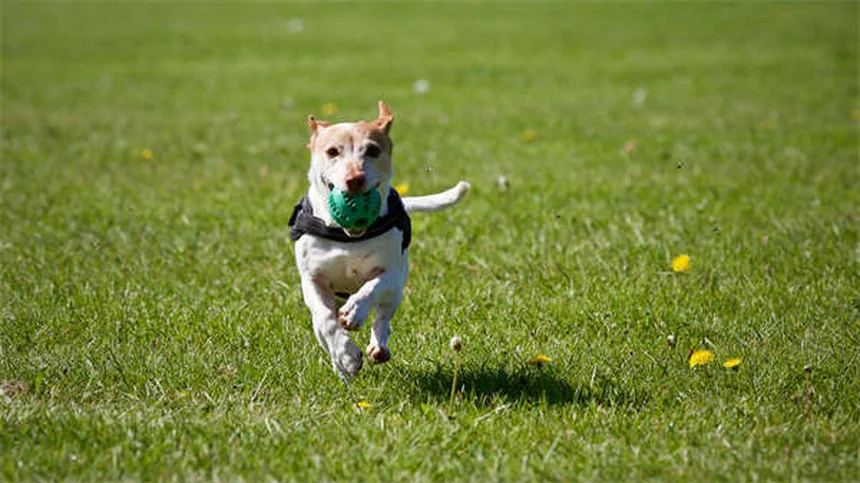 Photos provided by pixabay
Beyond the Basic Walk
Did you know those first 8-10 weeks are critical for socialization? Dr. Coodin emphasizes that early positive experiences with people, pets, and environments create confident adult dogs. But don't worry - older dogs can learn new social skills too! Start slow with controlled introductions and plenty of positive reinforcement.
Food Puzzles: Dinner Just Got Interesting
Turning Mealtime Into Playtime
Why serve food in a boring bowl when you can make it a game? Food puzzles transform eating into a mentally stimulating activity. Talley suggests hiding kibble around the house or yard to engage your dog's natural hunting instincts.
Here's my favorite puzzle toy hack: Take an old muffin tin, place treats in some cups, and cover all cups with tennis balls. Your dog will love figuring out which cups contain the goodies!
Choosing the Right Puzzle
With so many puzzle toys available, how do you pick? Start simple and increase difficulty as your dog learns. Some dogs master puzzles quickly and lose interest, while others need easier options. The key is finding the right challenge level for your individual dog.
Putting Your Dog to Work
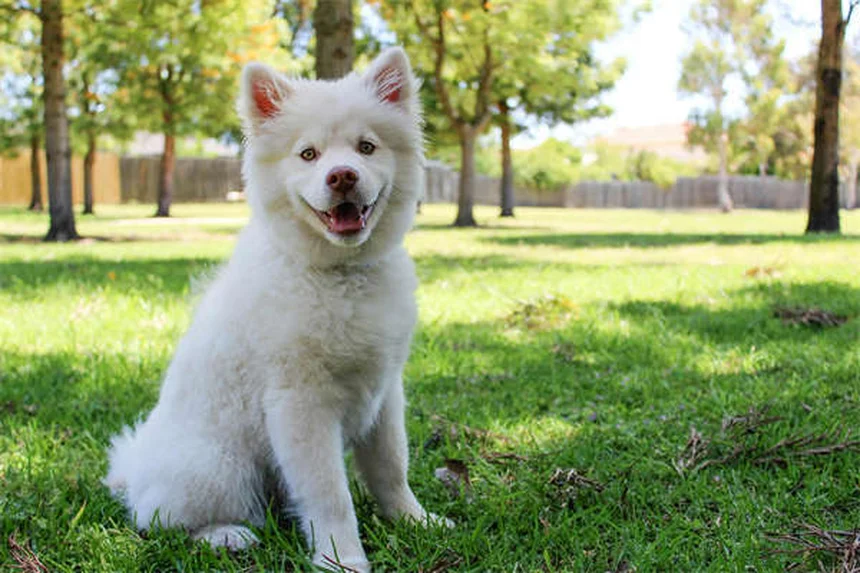 Photos provided by pixabay
Beyond the Basic Walk
Working breeds especially thrive when they have a "job," but any dog benefits from purposeful activities. Nosework is one of the easiest jobs to teach - just hide treats and let your dog search! Other great options include:
- Carrying a backpack on walks
- Learning new tricks
- Agility training (even homemade courses work)
Dr. Coodin notes that many behavior issues stem from high-energy dogs in low-energy homes. Giving them appropriate work channels their energy positively.
When Work Becomes Play
Ever notice how dogs love routine? Turn training sessions into a daily "work shift" your dog anticipates. Even 10 minutes of focused training provides mental stimulation. The best part? You'll strengthen your bond while preventing boredom!
Classes: The Ultimate Boredom Buster
Beyond Basic Obedience
Why stop at basic commands when you could explore exciting classes? From scent work to agility, there's something for every dog. Tiffany Talley particularly recommends agility classes: "They combine physical exercise with mental challenges in a fun, structured way."
Here's what to look for in a good class:
- Positive reinforcement methods
- Small class sizes
- Experienced instructors
- Appropriate challenge level
Making Classes Work for You
Worried about cost or time commitment? Many trainers offer mini-courses or drop-in sessions. Even one class per week makes a huge difference! The socialization and new skills keep your dog engaged between sessions.
Creating a Stimulating Home Environment
Simple Daily Enrichment
You don't need fancy equipment to fight boredom. Rotate toys weekly to keep them interesting, create DIY puzzle feeders, or set up a "dig box" with sand or blankets for digging-prone dogs. A little creativity goes a long way!
Try this easy enrichment idea: Freeze kibble in ice cubes or stuff a Kong with peanut butter and freeze it. These provide hours of entertainment!
Reading Your Dog's Needs
How do you know if your efforts are working? Watch for these signs of a happy, engaged dog:
- Calm behavior between activities
- Reduced destructive tendencies
- Eagerness to participate in training/games
- Good appetite and sleep patterns
Remember, preventing boredom is an ongoing process. As your dog masters challenges, gradually increase the difficulty to keep them engaged and happy!
The Science Behind Canine Boredom
What Research Tells Us About Dog Brains
You might be surprised to learn that canine cognition researchers have been studying boredom in dogs for decades. Dr. Alexandra Horowitz at Barnard College discovered that dogs experience boredom similarly to humans - their brain activity actually slows down when understimulated. That's why your dog might seem "lazy" when really they're just bored out of their mind!
Here's a fascinating fact: Dogs have about 530 million neurons in their cerebral cortex compared to humans' 16 billion. But don't let those numbers fool you - that's still more than twice as many as cats! Your dog's brain is constantly processing information, even when they're just lying around.
Breed-Specific Boredom Patterns
Ever wonder why some breeds seem more prone to destructive behaviors? It's not just about energy levels. Working breeds like Border Collies and German Shepherds were specifically bred for problem-solving tasks. When we don't provide enough mental challenges, their brilliant minds find... creative outlets (like redecorating your living room with couch stuffing).
But here's the kicker - even low-energy breeds like Basset Hounds need mental stimulation. They might not need as much physical activity, but their powerful noses crave scent work. Every dog has unique needs based on their breeding and personality.
Technology Meets Dog Entertainment
Interactive Tech Toys for Dogs
Welcome to the 21st century, where even dogs get high-tech toys! Companies have developed everything from treat-dispensing cameras you can control with your phone to puzzle games with LED lights. The Furbo Dog Camera lets you toss treats remotely and check in on your pup, while the CleverPet Hub turns meal times into a light-up puzzle game.
But do these actually work? According to a 2022 study published in Applied Animal Behavior Science, dogs using interactive tech toys showed:
- 38% reduction in destructive behaviors
- 27% increase in activity levels
- 15% improvement in problem-solving skills
The Downside of Digital Play
Before you go buying every gadget on Amazon, let's be real - nothing replaces human interaction. Tech toys should supplement, not replace, your time with your dog. Plus, some dogs get frustrated with overly complex gadgets. Start simple and see what your pup enjoys before investing in expensive equipment.
Seasonal Boredom Busters
Summer Solutions
When temperatures soar, traditional exercise becomes dangerous. Try these cool alternatives:
| Activity | Cooling Benefit | Mental Stimulation |
|---|---|---|
| Frozen Kongs | ★★★★★ | ★★★☆☆ |
| Kiddie Pool Play | ★★★★★ | ★★☆☆☆ |
| Indoor Hide & Seek | ★☆☆☆☆ | ★★★★★ |
Pro tip: Freeze low-sodium chicken broth with kibble for a refreshing summer snack that keeps your dog busy for hours!
Winter Woes and Solutions
When it's too cold to go outside, cabin fever hits hard. This is when nose work really shines - hide treats around the house and let your dog sniff them out. You can also teach new tricks or set up an indoor obstacle course using household items like broomsticks and couch cushions.
The Human Factor in Canine Boredom
How Our Habits Affect Our Dogs
Here's something we don't talk about enough - our modern lifestyles often create bored dogs. With long work hours and screen time, we're physically present but mentally absent for our pets. Certified dog trainer Jamie Flanders notes that "a distracted owner is almost as bad as an absent one" when it comes to meeting a dog's needs.
But here's the good news: Small changes make a big difference. Try these simple adjustments:
- Put your phone down during walks and be present
- Schedule 10-minute play sessions throughout the day
- Involve your dog in household activities (they can "help" with laundry!)
The Emotional Connection
Did you know your mood affects your dog? Research shows dogs mirror their owners' stress levels and energy. When you're constantly busy and stressed, your dog picks up on that energy - which can manifest as anxious or destructive behaviors. Taking time to relax with your dog benefits both of you!
When to Seek Professional Help
Signs It's More Than Boredom
While most destructive behaviors stem from boredom, sometimes there's more going on. Consult a professional if you notice:
- Excessive licking or chewing specific body parts
- Sudden changes in appetite or sleep patterns
- Unprovoked aggression or extreme anxiety
These could indicate medical issues or deeper behavioral problems requiring specialized intervention.
Finding the Right Expert
The dog training world can be overwhelming with different methodologies and certifications. Look for trainers certified by reputable organizations like the Certification Council for Professional Dog Trainers (CCPDT) who use positive reinforcement methods. For serious issues, a veterinary behaviorist (a vet with additional behavior training) might be needed.
The Bigger Picture of Canine Happiness
Quality Over Quantity
Here's a radical thought: More toys and activities don't necessarily mean less boredom. Dogs thrive on meaningful engagement rather than constant stimulation. Sometimes, the best thing you can do is simply sit with your dog, pet them, and be fully present.
Think about it - would you rather have someone give you 100 random apps to play with, or one really good friend to spend quality time with? Your dog feels the same way!
Creating a Balanced Routine
The key to preventing boredom isn't about exhausting your dog with non-stop activities. It's about creating a balanced routine that includes:
- Physical exercise appropriate for their age and breed
- Mental challenges that engage their natural instincts
- Quality bonding time with you
- Plenty of rest (yes, dogs need downtime too!)
Remember, every dog is unique. What works for your neighbor's Labrador might not suit your Shih Tzu. The most important thing? Paying attention to your individual dog's needs and enjoying the journey together!
E.g. :5 Ways to Relieve Your Dog's Boredom | PetMD
FAQs
Q: How can I tell if my dog is bored?
A: Look for these telltale signs of dog boredom: destructive chewing, excessive digging, constant barking, or restlessness. Dr. Abby Coodin explains these behaviors often mean your dog isn't getting enough mental stimulation. Even "calm" breeds can get bored - it's not just high-energy dogs. I always tell my clients to watch for patterns: if the misbehavior happens when you're away or busy, it's likely boredom. Pro tip: Set up a pet camera to catch your dog's behavior when you're not home!
Q: What's the fastest way to relieve my dog's boredom?
A: Exercise plus mental challenges works fastest. Try combining a brisk walk with training commands or hide-and-seek games. Tiffany Talley, a canine behavior specialist, recommends "new environment walks" - simply changing your walking route provides mental stimulation. For immediate results, try a food puzzle or frozen Kong toy. From my experience, most dogs show improvement within 3-5 days of consistent boredom-busting activities. Remember, tired dogs are happy dogs!
Q: Are dog puzzles really effective for boredom?
A: Absolutely! Food puzzles turn mealtime into brain time, satisfying your dog's natural foraging instincts. Start with simple puzzles (like a muffin tin with tennis balls covering treats) and gradually increase difficulty. Some dogs master puzzles quickly, so rotate different types to maintain interest. Important note: Always supervise first-time puzzle use to ensure safety. I've seen shy dogs gain confidence and hyper dogs calm down through regular puzzle use - it's one of my favorite solutions!
Q: How much exercise does my dog really need?
A: It depends on breed, age, and health, but most dogs need at least 30-60 minutes of activity daily. High-energy breeds often require 2+ hours. The key is quality over quantity - a 20-minute run provides more stimulation than an hour-long stroll. Here's my rule of thumb: If your dog still has energy to misbehave, they need more exercise. Mix up activities (running, swimming, fetch) to work different muscle groups and keep things interesting. Always consult your vet before starting intense exercise routines!
Q: Can older dogs learn new tricks to fight boredom?
A: You bet they can! While puppies learn fastest, dogs of any age benefit from mental challenges. Start with simple commands and gradually increase difficulty. Scent games and gentle agility are perfect for senior dogs. From my experience, older dogs especially appreciate routine - try scheduling short training sessions at the same time daily. Just remember to adjust expectations based on your dog's physical abilities. The mental stimulation will keep their mind sharp and spirits high!