How can you protect your dog from heat stroke? The answer is simple: by understanding their heat sensitivity and taking proactive steps. Dogs don't handle heat like we do - their normal body temperature runs hotter (100-103°F), and when the mercury rises above this, they're in real danger. I've seen too many emergency cases where well-meaning owners didn't recognize the signs until it was almost too late. Here's what you need to know: heat stroke can kill a dog in under 15 minutes, and breeds with short noses (like Bulldogs or Pugs) are especially vulnerable. But the good news? With some simple precautions, you can keep your pup safe all summer long. Let me share the same advice I give my veterinary clients about protecting their furry family members from heat-related illnesses.
E.g. :Rifampin for Dogs: Vet-Approved Uses & Side Effects Guide
- 1、Understanding Your Pet's Heat Sensitivity
- 2、Common Heat-Related Health Issues
- 3、Hydration and Heat Exhaustion
- 4、Special Risk Factors
- 5、Prevention Is Paw-sitively Better Than Cure
- 6、Emergency Preparedness
- 7、Beyond the Basics: Advanced Heat Safety
- 8、Nutrition and Summer Health
- 9、Behavioral Signs of Heat Stress
- 10、Traveling with Pets in Heat
- 11、Community Heat Safety
- 12、FAQs
Understanding Your Pet's Heat Sensitivity
Why Pets Struggle with Heat
Ever wonder why your dog pants like they just ran a marathon after a short walk? Dogs and cats naturally run hotter than humans, with normal body temperatures between 100-103°F. When the air temperature matches or exceeds this, their cooling systems go into overdrive. Unlike us, they can't sweat through their skin - only through paw pads and panting. That's why summer adventures can quickly turn dangerous for our furry friends.
Imagine wearing a winter coat in July while trying to cool off by only breathing heavily and sweating through your shoes. Sounds miserable, right? That's essentially what your pet experiences. When their internal temperature hits 103°F, trouble starts brewing. At 106°F, we're talking life-threatening emergency territory. I always tell my clients: "If you're uncomfortable in shorts and a t-shirt, your pet is suffering in their fur coat."
Heat Danger Zones
Let's break down the temperature risks in an easy-to-read table:
| Temperature | Risk Level | What Happens |
|---|---|---|
| Below 100°F | Safe | Normal body function |
| 100-103°F | Caution | Panting begins, watch for signs |
| 103-106°F | Danger | Heat exhaustion symptoms appear |
| Above 106°F | Emergency | Organ damage risk, immediate vet care needed |
Common Heat-Related Health Issues
 Photos provided by pixabay
The Hidden Danger of Skin Folds
You know those adorable wrinkles on Bulldogs and Pugs? They're breeding grounds for trouble in hot weather. While humans get heat rash from clogged sweat glands, dogs develop skin fold pyoderma - a nasty combo of rash and infection in those cute folds. It's like having constant diaper rash in your armpits. Ouch!
Here's my battle-tested routine for fold care: Medicated wipes after walks, drying thoroughly (yes, even between those hard-to-reach folds), and weekly baths with special shampoo. Pro tip: Use a blow dryer on cool setting to ensure complete dryness. If you notice redness or odor, don't wait - that's your cue to visit the vet for possible antibiotics.
Paw Protection 101
Ever walked barefoot on hot pavement and done that awkward "hot coals" dance? Now imagine doing that with every step. That's your dog in summer. The 5-second hand test is golden: If you can't comfortably keep your palm on the pavement for five seconds, it's too hot for paws.
I learned this the hard way when my Labrador, Buddy, got blisters after our afternoon walk. The treatment? Two weeks of bandage changes, cone-of-shame wearing, and hundreds in vet bills. Now we stick to grass routes or use breathable mesh booties. Funny story - Buddy initially walked like he was wearing clown shoes, but now he struts in his "pawjamas" like a runway model!
Hydration and Heat Exhaustion
Water Wisdom
Did you know a 15% water loss can be fatal for dogs? Yet many owners forget water on walks. Here's my foolproof system: Freeze a half-full water bottle overnight, top it off before leaving, and you've got ice-cold water for hours. Bonus - it keeps your sandwich cool too!
Watch for these dehydration signs:- Dry, sticky gums- Loss of skin elasticity (gently pinch the scruff - if it doesn't snap back quickly, trouble's brewing)- Sunken eyes- Lethargy
 Photos provided by pixabay
The Hidden Danger of Skin Folds
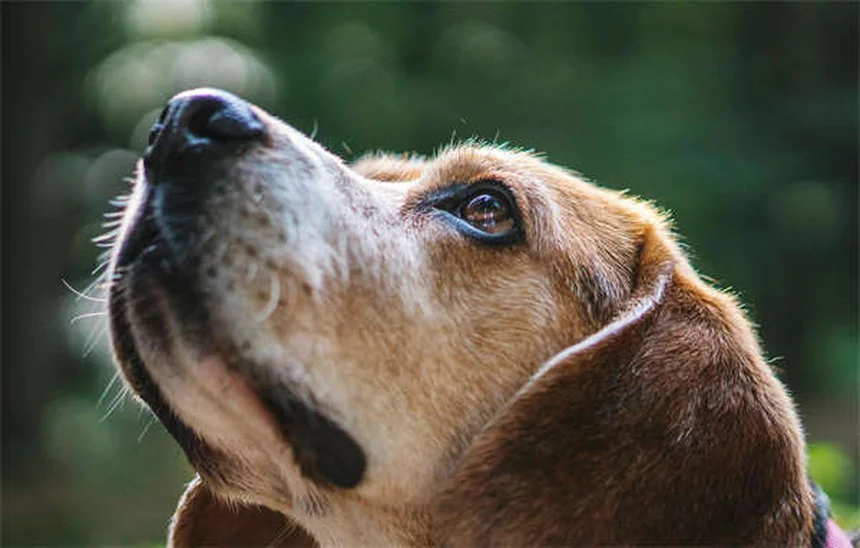
All dogs pant, but how can you tell when it's an emergency? Ask yourself: "Is this normal for my dog?" If your usually energetic pup is panting heavily while lying down, or if the panting sounds harsh or irregular, it's red alert time.
Last summer, I saw a Golden Retriever who'd been playing fetch for just 20 minutes in 85°F weather. The owner didn't recognize the signs until the dog collapsed. We cooled him slowly with room-temperature water (never ice cold - that can shock their system), placed cool towels on his groin and armpits, and rushed him to the ER. Thankfully, he recovered, but it was a close call.
Special Risk Factors
Breed-Specific Vulnerabilities
Not all dogs face equal risk in heat. Brachycephalic (short-nosed) breeds like Bulldogs and Pugs might as well be breathing through a straw. Their compressed airways make cooling doubly hard. Other high-risk groups include:
- Arctic breeds (Huskies, Malamutes) - that thick coat is like wearing a parka in Miami- Overweight dogs - extra fat acts as insulation- Puppies and seniors - their temperature regulation isn't as efficientMy neighbor's French Bulldog, Pierre, needs special care. We've created a "summer survival kit" for him: cooling vest, portable fan, and always planning walks before 8 AM or after 7 PM.
Creating Safe Summer Routines
Why do we forget that pets need to acclimate to heat just like we do? You wouldn't run a marathon without training, yet we expect dogs to handle sudden summer activity spikes. Start slow with short, early-morning outings, gradually increasing duration as they adjust.
Here's my golden rule: If the humidity plus temperature adds up to 150 (say 80°F with 70% humidity), skip outdoor exercise entirely. The moisture in the air makes panting ineffective. Instead, try indoor games like hide-and-seek with treats or puzzle toys to keep them mentally stimulated without overheating.
Prevention Is Paw-sitively Better Than Cure
 Photos provided by pixabay
The Hidden Danger of Skin Folds
The pet product market is flooded with gimmicks, but these have proven worth their salt in my experience:
- Cooling mats (look for non-toxic gel types)- Elevated mesh beds for airflow- Doggy pools with just a few inches of water- Bandanas soaked in cool water and tied loosely around the neckFun fact: My most creative client froze chicken broth ice cubes for her picky drinker. Now "pupsicles" are the highlight of his day!
Creating a Summer-Ready Home
Simple adjustments can make your home a heat-safe haven:1) Keep blinds closed during peak sun hours2) Place multiple water bowls around the house (stainless steel stays cooler)3) Use tile or concrete areas as cool resting spots4) Set up fans at dog level (but always with supervision)
Remember, cats are ninjas at finding cool spots, but older or long-haired ones might need help. I've seen cats sprawl in bathroom sinks or against glass doors - wherever they can find relief. One client even created a "cool cave" by draping a damp towel over a cat tree perch with a fan blowing gently across it.
Emergency Preparedness
Recognizing the Red Flags
Would you know what to do if your pet showed heat stroke symptoms? Let's break it down:
Mild heat stress: Heavy panting, seeking shade, restlessnessHeat exhaustion: Bright red gums, thick drool, stumblingHeat stroke: Collapse, seizures, unconsciousnessLast July, a client's German Shepherd mix showed mild symptoms after a hike. They acted fast - moved her to shade, offered small water amounts, and called me immediately. Because they caught it early, we avoided an ER visit. That's the power of knowing the signs!
Your Summer First-Aid Kit
Every pet owner should have these summer essentials:
- Digital thermometer (normal rectal temp: 100-102.5°F)- Electrolyte solution (unflavored Pedialyte works)- Quick-dry towels- Vet's emergency number saved in your phone- Cooling collar (the kind you soak in water)Pro tip: Practice taking your dog's temperature before an emergency. Most dogs tolerate it well if done gently with lubrication, and it's the most accurate way to assess their condition. My record? Teaching a Great Dane owner to do it in under 30 seconds!
Beyond the Basics: Advanced Heat Safety
The Science Behind Canine Cooling
Did you know your dog's tongue is actually a high-efficiency radiator? When they pant, blood vessels in the tongue expand dramatically - up to 40% more than normal! This allows heat to dissipate through evaporation. But here's the catch: Humidity above 60% makes this system nearly useless because the air can't absorb more moisture.
I once measured a Labrador's tongue surface temperature during heavy panting - it dropped a whopping 15°F in just two minutes! But when humidity hit 80%, the cooling effect was cut in half. That's why we must help our pets when Mother Nature isn't cooperating. Simple solutions like placing a damp towel over their back (not covering the whole body) can supplement their natural cooling.
Urban Heat Islands and Your Pet
City dwellers face unique challenges - ever noticed how much hotter your sidewalk gets compared to suburban grass? Concrete and asphalt can reach 140-160°F on 90°F days, creating literal hot zones. My downtown clients swear by these tricks:
| Surface | Temperature on 90°F Day | Safe Walk Time |
|---|---|---|
| Grass | 90-95°F | Anytime |
| Concrete | 120-130°F | Before 10 AM |
| Asphalt | 140-160°F | Before 8 AM |
One creative client in Phoenix trained his dog to walk on "bootie coasters" - small portable mats he'd place down every few steps during necessary midday potty breaks. It looked silly but prevented third-degree paw burns!
Nutrition and Summer Health
Summer Diet Adjustments
Why do we forget that pets' nutritional needs change with seasons? Active dogs in summer can require 15-20% fewer calories because they're less active during peak heat. But here's the paradox - they need more protein to repair heat-stressed tissues!
My golden retriever client "Sunny" taught me this lesson. Her owner noticed she wasn't finishing meals during heat waves. We switched to smaller, protein-rich meals with hydrating foods like watermelon (seedless, of course) and cucumber slices. The result? Better hydration and maintained muscle mass despite reduced activity.
The Frozen Treat Revolution
Move over, store-bought dog ice cream! The DIY frozen treat movement is sweeping pet households. My current favorite recipe:
- 1 cup plain yogurt- 1 ripe banana- 2 tablespoons peanut butter (xylitol-free!)- Blend and freeze in silicone moldsBut here's a pro tip: Use these as pre-cooling devices before walks, not just rewards. Giving one 20 minutes before outdoor activity helps lower core temperature proactively. One of my clients calls this "pre-cooling" strategy - her Border Collie now sits by the freezer expectantly when he sees the leash!
Behavioral Signs of Heat Stress
Subtle Changes to Watch For
Ever notice your normally social cat hiding under the bed more in summer? That's not just them being moody - it's heat avoidance behavior. Dogs show similar subtle signs before obvious panting begins:
- Excessive yawning- Lip licking when not hungry- Choosing cool tile over their favorite bed- "Splooting" (belly-down, legs stretched back)I documented a fascinating case where a normally energetic Boxer would always find the one shady spot in the yard during fetch. His owner thought he was being lazy, but thermal imaging showed his body temp was actually regulating perfectly thanks to these micro-breaks!
The Nighttime Heat Trap
Don't assume nighttime automatically means safer temperatures. In many regions, overnight lows barely drop below 80°F during heat waves. This gives pets no recovery period, leading to cumulative heat stress.
My worst-case scenario involved three consecutive 90°F+ nights where a senior Labrador developed heat exhaustion without ever going outside during daylight! Now I recommend these overnight cooling strategies:
- Place a frozen water bottle near (not touching) their bed- Use moisture-wicking bedding- Keep air circulating with fans- Offer ice cubes as midnight snacksTraveling with Pets in Heat
Car Safety Beyond "Don't Leave Them"
We all know not to leave pets in hot cars, but what about traveling in them? Even with AC, direct sunlight through windows can create dangerous microclimates. Here's what I've learned from road trips with anxious dogs:
Window shades reduce surface temps by up to 30°F, but the real game-changer is strategic vent placement. Aim one vent toward the ceiling (hot air rises) and another toward floor level where your dog sits. Bring a spray bottle for periodic misting (most dogs love this if introduced gradually), and always pack triple the water you think you'll need.
Air Travel Realities
Is flying with pets in summer ever safe? The answer might surprise you. While major airlines have improved pet safety measures, early morning flights are statistically safer because tarmac temperatures haven't peaked yet.
One client's experience changed my perspective. They flew their French Bulldog from New York to Florida in July - but chose a 5 AM flight with special pet oxygen masks in cargo. The total flight time was under three hours, and they'd pre-cooled the carrier with ice packs. The dog arrived happier than when going to the vet down the street!
Community Heat Safety
Neighborhood Watch for Pets
Have you ever noticed a neighbor's dog left outside too long in heat? Many people hesitate to intervene, but a polite check-in can save lives. I helped organize a "Heat Buddies" system in my community where we:
- Share shaded yard times- Rotate pet-sitting during heat waves- Maintain a list of pet-friendly businesses for emergency coolingThe most heartwarming story? When a mail carrier noticed an elderly neighbor's dog panting excessively, she started bringing ice cubes on her route. Now half the street leaves out insulated bowls for her to fill - it's become our unofficial "pup patrol"!
Workplace Policies for Pet Parents
Why don't more companies consider pets in their heat emergency plans? Progressive workplaces are now implementing "pet heat alerts" that mirror human heat advisories. Some innovative policies I've seen:
- Flexible hours to avoid midday pet walks- Work-from-home options during extreme heat- On-site cooling stations with pet areas- "Pup sick days" when pets show heat stressOne tech company in Austin even installed turf with underground cooling pipes in their pet-friendly courtyard. Their employee retention skyrocketed - turns out happy pets mean happy people!
E.g. :Heat and Pets | Heat Health | CDC
FAQs
Q: What temperature is too hot for dogs?
A: Any temperature above your dog's normal body temperature (100-103°F) becomes dangerous. When the air hits 85°F with humidity, that's when we veterinarians start seeing heat stroke cases roll in. Here's a quick guide: at 90°F, limit outdoor time to potty breaks only; at 95°F, pavement can burn paws in minutes; and at 100°F, we're talking life-threatening conditions. I always teach my clients the "five-second test" - if you can't comfortably hold your hand on pavement for five seconds, it's too hot for your dog's paws. Remember, dogs don't have the option to take off their "fur coats" when it gets hot!
Q: What are the first signs of heat stroke in dogs?
A: The earliest warning signs include excessive panting, bright red gums, and thick, ropey drool. As a vet, I tell owners to watch for these subtle changes first: your dog might seem "off" - maybe less responsive to commands or slower to fetch the ball. Then comes the heavy panting that doesn't stop when they rest, followed by stumbling or confusion. I once had a case where a Labrador kept trying to play fetch long after he should have stopped - his owner didn't realize this was actually disorientation. If you see these signs, cool your dog immediately with room-temperature (not cold) water and call your vet.
Q: How can I keep my dog cool without air conditioning?
A: Create cool zones using simple tricks I recommend to all my budget-conscious clients. Try these vet-approved methods: set up a kiddie pool with just 2-3 inches of water, freeze towels for them to lie on (place a dry towel underneath), or make "pupsicles" with low-sodium broth. I'm particularly fond of the "cooling cave" method - drape a damp sheet over a table or chair to create a shaded, breezy spot. One of my clients swears by rotating frozen water bottles in her dog's bed throughout the day. Just remember: fans alone don't cool dogs effectively since they don't sweat like we do!
Q: Are some dog breeds more at risk for heat stroke?
A: Absolutely, and as a vet, I see these breeds in my ER every summer. The highest risk groups are brachycephalic (short-nosed) breeds like Bulldogs, Pugs, and Boxers - their squished faces make panting less effective. Northern breeds like Huskies with thick coats also struggle, as do overweight dogs (that extra fat acts like insulation). I always warn owners of older dogs and puppies too - their temperature regulation isn't as efficient. My record for heat stroke cases in one day? Five French Bulldogs after a "short" lunchtime walk. Now I recommend these breeds avoid going out when it's above 80°F.
Q: What should I do if I suspect my dog has heat stroke?
A: Act fast - heat stroke is a true medical emergency. Here's the step-by-step I give all my clients: First, move your dog to shade immediately. Start cooling with room-temperature (not cold) water - focus on the belly, groin, and paw pads. Offer small amounts of water to drink, but don't force it. Call your vet or emergency clinic while you're doing this - they'll guide you on next steps based on severity. Whatever you do, don't use ice or ice water - this can actually make things worse by causing blood vessels to constrict. I've seen dogs saved by quick action, and lost when owners waited too long. When in doubt, get veterinary help immediately.