Dog ear infections are more common than you think - and they can turn serious fast! The answer is clear: yes, your dog can get painful ear infections that need immediate attention. I've seen too many cases where simple ear problems became chronic issues because owners didn't recognize the early signs.Here's what you need to know right now: weekly ear checks could save your dog from weeks of discomfort and save you hundreds in vet bills. We're talking about just 2 minutes of your time each week to lift those floppy ears and take a quick peek inside. Trust me, your pup will thank you!In this guide, I'll walk you through exactly what to look for - from that funky smell you shouldn't ignore to the head tilts that aren't as cute as they seem. Whether you've got a water-loving Labrador or a prim Poodle, these tips will help you catch problems before they spiral out of control.
E.g. :5 Surprising Ways Pets Boost Senior Health & Happiness
- 1、Why Your Dog's Ears Need Regular Checkups
- 2、Spotting Trouble: Physical Signs of Ear Issues
- 3、Behavioral Clues Your Dog's Ears Hurt
- 4、The Home Treatment Debate
- 5、Cleaning: Finding the Right Balance
- 6、Choosing the Right Cleaning Products
- 7、When Ear Problems Become Chronic
- 8、The Hidden Connection Between Ear Health and Overall Wellbeing
- 9、Ear Care Through the Seasons
- 10、Breed-Specific Ear Quirks
- 11、Senior Dog Ear Care Considerations
- 12、Ear Care Equipment Worth the Investment
- 13、Creating Positive Ear Care Experiences
- 14、FAQs
Why Your Dog's Ears Need Regular Checkups
The Importance of Weekly Ear Inspections
Let's be honest - when was the last time you really looked inside your dog's ears? Most of us don't make it a habit, but we should! Weekly ear checks can save your pup from serious discomfort and expensive vet bills down the road.
Think about it this way - would you ignore an itch you couldn't scratch? That's exactly what ear problems feel like for dogs. By spending just 2 minutes each week examining your dog's ears, you'll catch issues early when they're easiest to treat. I recommend doing this during your regular grooming routine - maybe while brushing their coat or trimming nails.
Special Considerations for Floppy-Eared Breeds
Got a Basset Hound or Cocker Spaniel? Their adorable floppy ears actually create the perfect dark, moist environment for infections. These breeds need extra attention - lift those ear flaps and check underneath at least twice a week.
Here's a pro tip from my vet: consider shaving around the ear opening for better airflow. But don't grab those clippers just yet! Always consult a professional groomer first to learn proper technique. A bad shave job can cause irritation that leads to... you guessed it... more ear problems!
Spotting Trouble: Physical Signs of Ear Issues
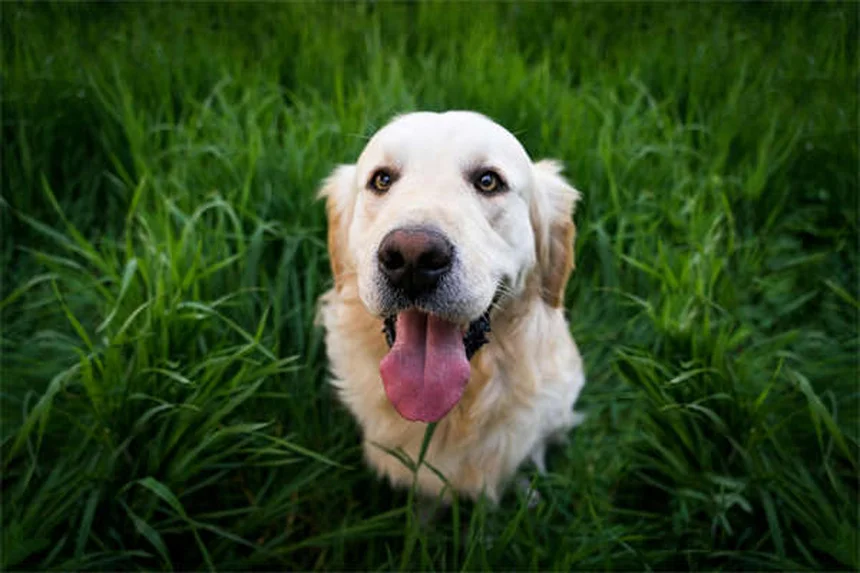 Photos provided by pixabay
The Obvious Red Flags
Some signs scream "vet visit needed!" louder than a hungry husky at dinner time. Watch for:
| Symptom | Possible Problem |
|---|---|
| Funky odor | Yeast or bacterial infection |
| Discharge | Advanced infection |
| Swollen ear flap | Aural hematoma |
Did you know that one of these symptoms means it's time for professional help? That's right - don't wait for multiple signs to appear. Early treatment prevents chronic issues that could lead to hearing loss.
The Balloon Ear Dilemma
Ever seen a dog ear that looks like it swallowed a tennis ball? That's an aural hematoma - blood vessels break under the skin, filling the ear flap with blood. It's as painful as it sounds! If your pup's ear suddenly resembles a pillow, skip the home remedies and head straight to the vet.
Behavioral Clues Your Dog's Ears Hurt
Head Tilts Aren't Always Cute
While we all love those adorable head tilts when dogs seem confused, excessive head shaking or tilting often signals ear trouble. Other behaviors to watch for include:
- Constant ear scratching (more than normal)
- Walking in circles like they're drunk
- Bumping into furniture
- Other dogs sniffing their ears obsessively
Wait - other dogs sniffing? Absolutely! Canines have an incredible sense of smell and often detect infections before we do. If the dog park crew keeps investigating your pup's ears, take the hint and schedule a checkup.
 Photos provided by pixabay
The Obvious Red Flags
Here's something many owners don't realize: ear infections can affect balance. Why? The inner ear controls equilibrium. So if Fido starts stumbling like he just rode the Tilt-A-Whirl, he might have a middle or inner ear infection requiring immediate care.
The Home Treatment Debate
Why DIY Ear Care Can Backfire
Can you treat dog ear infections at home? Technically yes, but should you? Let me answer that with another question: Would you let a stranger perform surgery on you after watching one YouTube tutorial? Exactly.
Vets need to check that eardrum is intact before any treatment begins. Certain medications can cause permanent deafness if applied to a ruptured eardrum. Plus, without proper testing, you might be treating the wrong problem entirely!
What Really Happens at the Vet
When you visit the clinic, expect three things:
1. A thorough ear exam with an otoscope
2. An ear swab test (checks for yeast, bacteria, mites)
3. Possibly lab work for stubborn infections
Most vets can diagnose simple infections right in the office. But chronic or severe cases might need culture tests sent to a lab. Treatment typically involves medicated ear drops, though serious infections may require oral antibiotics.
Cleaning: Finding the Right Balance
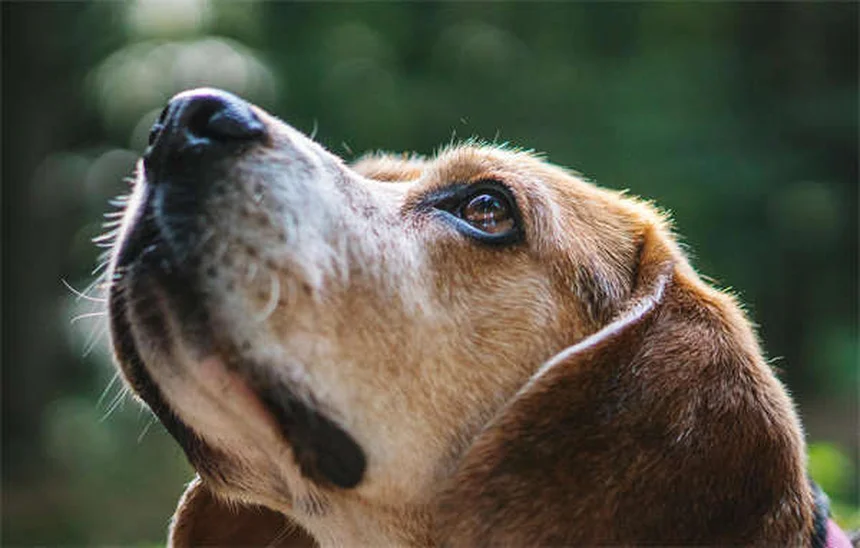 Photos provided by pixabay
The Obvious Red Flags
Not too much, not too little - cleaning your dog's ears requires just the right frequency. Overcleaning strips protective wax and irritates the ear canal, while undercleaning allows gunk to build up.
For most dogs, cleaning every 2-4 weeks works well. But water-loving breeds or dogs with infection histories might need weekly cleanings. Always consult your vet for personalized advice based on your dog's specific needs.
Post-Swim Ear Care
Does your dog think they're part fish? After every swim session or bath, take two minutes to dry those ears! Moisture trapped in ear canals creates a paradise for bacteria and yeast. Many vet-approved cleaners contain safe drying agents - ask your vet for recommendations.
Choosing the Right Cleaning Products
What NOT to Use
Put down the hydrogen peroxide! Harsh substances like alcohol or vinegar can:
- Cause painful burning sensations
- Damage delicate ear tissue
- Scare your dog with bubbling noises
- Actually worsen infections
Stick to pH-balanced canine ear cleaners specifically formulated for dogs. These gently remove debris without disrupting the ear's natural defenses.
Application Tips from the Pros
Here's how the experts recommend cleaning:
1. Hold the bottle near (not in) the ear canal
2. Gently squeeze solution into the ear
3. Massage the base for 30 seconds (this loosens wax)
4. Let your dog shake their head (the fun part!)
5. Wipe away debris with cotton balls
Remember: no cotton swabs! Those pointy sticks can push wax deeper or even puncture eardrums. Stick to soft cotton balls and gentle wiping motions.
When Ear Problems Become Chronic
The High Cost of Ignoring Infections
Did you know untreated ear infections can lead to permanent hearing damage? It's true! Chronic inflammation thickens ear canal tissue, eventually blocking sound completely. In severe cases, dogs might need TECA surgery - complete removal of the ear canal.
The good news? Consistent care prevents most chronic issues. Follow your vet's treatment plan completely, even if symptoms disappear early. Stopping medication prematurely allows resistant infections to develop.
Building a Prevention Routine
An ounce of prevention really is worth a pound of cure when it comes to ear health. Work with your vet to create a customized care plan including:
- Regular cleaning schedule
- Recommended products
- Early warning signs to watch for
- Follow-up exam frequency
With proper care, most dogs enjoy healthy ears their whole lives. And isn't that what we all want for our furry best friends?
The Hidden Connection Between Ear Health and Overall Wellbeing
How Ear Problems Affect Your Dog's Mood
Ever notice how grumpy you get with a headache? Dogs experience the same mood changes when their ears hurt. That "cranky" behavior might actually be pain signals! Chronic ear discomfort can lead to:
- Increased irritability during play
- Reluctance to be touched around the head
- Changes in sleep patterns
- Decreased appetite
I once fostered a Golden Retriever who transformed from couch potato to energetic pup after we treated his ear infection. Turns out he wasn't lazy - just in constant discomfort!
The Surprising Link to Skin Allergies
Here's something most owners miss: ear infections often signal underlying allergies. About 75% of dogs with food or environmental allergies develop ear problems. The ear canal is essentially an extension of the skin, reacting to the same allergens.
If your dog gets frequent ear infections, ask your vet about allergy testing. Managing the root cause prevents recurring issues better than treating symptoms alone. You might need to switch foods or add supplements to their diet.
Ear Care Through the Seasons
Summer Ear Hazards You Never Considered
We all know about swimmer's ear, but summer brings other risks too:
| Seasonal Hazard | Prevention Tip |
|---|---|
| Grass seeds | Check ears after walks in tall grass |
| Increased humidity | Use drying ear wipes weekly |
| Bug bites | Apply vet-approved insect repellent |
Did you know foxtails and other grass seeds can migrate deep into ear canals? These barbed plant parts cause intense pain and often require sedation for removal. Always inspect those ears after outdoor adventures!
Winter Ear Care Myths Debunked
Think ear problems disappear when temperatures drop? Think again! Indoor heating creates dry air that irritates sensitive ear tissue. Some dogs actually need more ear moisturizing in winter.
Here's a winter ear care hack: place humidifiers in your dog's favorite rooms. The added moisture helps prevent itchy, flaky ear skin that leads to scratching and secondary infections. Just keep humidity between 30-50% - too much encourages bacterial growth.
Breed-Specific Ear Quirks
Prick-Eared Breeds Have Different Needs
German Shepherds and Huskies may avoid floppy-ear infections, but their upright ears face unique challenges. Those open ear canals collect:
- Dust and debris
- Flying insects
- Sunburn (yes, really!)
- Frostbite in extreme cold
For these breeds, I recommend monthly ear inspections and protective measures like dog-safe sunscreen on ear tips during summer hikes. Their ears essentially function as satellite dishes - great for hearing, but exposed to everything!
The Curious Case of Hairless Breeds
Chinese Crested and Xoloitzcuintli owners face opposite problems - no hair means no protection! These dogs often produce extra ear wax as a natural barrier against environmental irritants.
While this wax buildup looks alarming, it's usually normal for hairless breeds. The key is distinguishing healthy wax from infection signs. Your vet can show you what's typical for your unique pup. Just remember - more wax doesn't always mean more cleaning!
Senior Dog Ear Care Considerations
Age-Related Hearing Loss vs. Treatable Issues
Is your older dog ignoring commands, or can they simply not hear you? Here's how to tell the difference: clap your hands behind their head when they're not looking. No reaction likely means hearing loss, while head shaking suggests ear discomfort.
Many senior dogs develop benign ear canal tumors that obstruct hearing. These growths are usually painless but should be checked annually. The good news? Removing them often restores hearing completely!
Medication Side Effects to Watch For
Older dogs frequently take medications that can affect ear health. Common culprits include:
- Diuretics (increases ear dryness)
- Some arthritis medications (may cause dizziness)
- Certain antibiotics (can trigger yeast overgrowth)
Always ask your vet about potential ear-related side effects when starting new medications. Sometimes simple adjustments prevent cascading health issues. Your dog's golden years should be comfortable in every way!
Ear Care Equipment Worth the Investment
Must-Have Tools for Home Care
Beyond basic cleaners, these gadgets make ear maintenance easier:
- LED otoscope: Lets you see inside ears clearly ($25-50)
- Ear drying gloves: Great for water-loving dogs
- Angled-tip bottles: Prevents solution from shooting straight down
- Disposable ear wipes: Quick cleanups between baths
Investing in quality tools pays off long-term. That otoscope? It helped me spot early infection signs in my terrier mix before symptoms even appeared. Catching problems early saved hundreds in vet bills!
When to Splurge on Professional Grooming
Some ear jobs are best left to pros. Consider professional help for:
- Plucking hair from ear canals (easy to do wrong)
- Deep cleaning under sedation (for anxious dogs)
- Treating severe wax impactions
- Applying prescription medications correctly
Many groomers offer ear-specific packages at reasonable prices. Think of it like getting a dental cleaning - sometimes you need the experts to do it right!
Creating Positive Ear Care Experiences
Training Your Dog to Tolerate Exams
Does your pup run when they see the ear cleaner? Try this trainer-approved method:
1. Let them sniff all ear care items first
2. Touch their ears without tools for several days
3. Gradually introduce cleaner smells
4. Reward with high-value treats after each step
Within weeks, most dogs associate ear care with chicken bits instead of stress. My neighbor's Cocker Spaniel now brings the ear cleaner bottle when he wants treats!
The Power of Routine and Consistency
Dogs thrive on predictability. Setting a regular ear care schedule reduces stress for everyone. Pick a consistent:
- Day of the week
- Time of day
- Location in your home
- Order of operations
Before long, your dog will recognize the routine. Consistent care prevents last-minute wrestling matches and ensures nothing gets overlooked. Your future self will thank you!
E.g. :6 Common Ear Problems in Dogs: How To Identify, Diagnose, and ...
FAQs
Q: How can I tell if my dog has an ear infection?
A: Look for these 5 clear signs your dog might have an ear infection: 1) A strong, unpleasant odor coming from the ears 2) Visible discharge that's yellow, brown or bloody 3) Redness or swelling in the ear canal 4) Excessive scratching or head shaking 5) Sensitivity when you touch their ears. I always tell my clients - if your dog's ear smells worse than their paws after a rainy walk, it's time for a vet visit. Remember, floppy-eared breeds like Cocker Spaniels are especially prone to infections because their ear flaps trap moisture.
Q: Can I use human ear cleaning products on my dog?
A: Absolutely not! This is one of the biggest mistakes I see pet owners make. Human ear products often contain alcohol or other ingredients that can irritate your dog's sensitive ears. Instead, use a vet-approved canine ear cleaner that's pH-balanced for dogs. My personal favorite trick? Look for cleaners with natural drying agents that help evaporate moisture after swimming or baths. Always check with your vet before using any new product in your dog's ears.
Q: How often should I clean my dog's ears?
A: Here's the golden rule: clean when needed, but don't overdo it! For most healthy dogs, cleaning every 2-4 weeks works well. But if your dog swims frequently or has a history of ear infections, your vet might recommend weekly cleanings. Pro tip: Watch for excessive wax buildup or dirt - that's your cue it's cleaning time. Just remember, overcleaning can strip protective oils and actually cause irritation, so follow your vet's specific recommendations.
Q: Are some dog breeds more prone to ear infections?
A: You bet! Dogs with floppy ears like Basset Hounds or long-haired breeds like Shih Tzus are infection magnets. Their ear flaps create the perfect dark, moist environment for bacteria and yeast to grow. Water-loving breeds like Labradors also get frequent infections from moisture trapped in their ears. If you have one of these breeds, be extra vigilant about weekly ear checks and drying ears thoroughly after baths or swimming.
Q: When should I take my dog to the vet for ear problems?
A: Don't wait - make that vet appointment if you notice any of these red flags: 1) Your dog is in obvious pain (whining, pulling away) 2) The ear looks swollen or feels hot 3) There's bloody or pus-like discharge 4) Your dog loses balance or seems disoriented 5) Symptoms last more than 24 hours. As a vet tech for 10 years, I've seen too many cases where waiting made treatment much harder. Better safe than sorry when it comes to your pup's comfort!