How can you tell if your dog is happy? The answer is simpler than you think! Dogs show happiness through clear body language signals like wiggly tails, relaxed ears, and soft eyes. As a dog owner myself, I've learned that my Labrador Max communicates his joy through full-body wiggles and those irresistible puppy-dog eyes. Every dog is different, but there are universal signs that show when your pup is content and thriving.You might be surprised to learn that dogs have actually evolved facial muscles specifically for communicating with humans. That's why they can give us those perfect smiles when they're happy! In this guide, we'll break down the 13 most reliable signs of canine happiness - from the classic tail wag to more subtle cues like relaxed blinking. I'll also share practical tips from my own experience that can help you make your dog even happier.
E.g. :Puppy Vomiting and Diarrhea: Causes & When to See a Vet
- 1、Is Your Dog Truly Happy? Let's Find Out!
- 2、13 Clear Signs Your Dog Is Living Their Best Life
- 3、Creating Canine Happiness: More Than Just Belly Rubs
- 4、When Happiness Fades: Warning Signs Every Owner Should Know
- 5、Beyond the Basics: Advanced Happiness Boosters
- 6、Your Happiness Matters Too
- 7、The Hidden Language of Dog Tails
- 8、The Power of Play in Dog Happiness
- 9、The Scent Connection to Happiness
- 10、Music and Mood - Yes, Dogs Have Preferences
- 11、The Emotional Intelligence of Dogs
- 12、Seasonal Happiness Boosters
- 13、FAQs
Is Your Dog Truly Happy? Let's Find Out!
Reading Your Dog's Emotional Signals
You know that excited hop your dog does when you grab their leash? Or how they stare at you like you're holding the last slice of pizza when you're eating dinner? Dogs have dozens of ways to show us what they're feeling - from frustration to pure joy.
When my Labrador Max is happy, his whole body wiggles like a bowl of jelly. His ears go soft, his tail becomes a helicopter blade, and he gives me those puppy-dog eyes that could melt an iceberg. But here's the thing - every dog shows happiness differently. Some might give gentle kisses while others do zoomies around the backyard.
The Science Behind Dog Happiness
Did you know dogs have evolved facial muscles specifically for communicating with humans? That's why they can give us those irresistible "smiles." Here's a quick comparison of happy vs. stressed signals:
| Happy Signals | Stress Signals |
|---|---|
| Relaxed, wiggly body | Stiff posture |
| Soft, blinking eyes | Wide eyes showing whites |
| Loose, floppy ears | Ears pinned back |
13 Clear Signs Your Dog Is Living Their Best Life
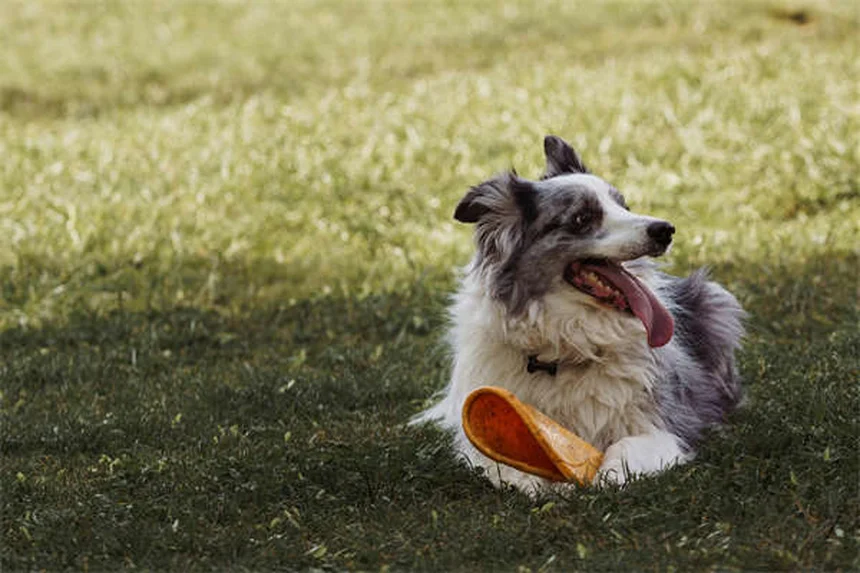 Photos provided by pixabay
1. The Floppy Ear Indicator
Picture this: You come home after a long day, and there's your pup with ears so relaxed they look like they might slide right off their head. That's canine contentment at its finest.
My neighbor's Beagle, Charlie, has one ear that always flops inside-out when he's happy. It looks ridiculous, but it's his signature "life is good" look. Remember, ear position varies by breed - a German Shepherd's ears won't flop like a Basset Hound's, but you'll still see them relax when they're happy.
2. Those Puppy-Dog Eyes Aren't Just for Begging
Have you ever noticed how your dog's eyes get all soft and dreamy when they're content? That's what we call the "love blink" - slow, relaxed blinks that show they're completely at ease.
Here's a fun experiment: Try slow-blinking at your dog. Many will blink back! Scientists believe this is a form of canine communication. But watch out for hard stares or wide, white-rimmed eyes - those are stress signals saying "I'm not comfortable right now."
3. The Full-Body Wiggle Test
When a dog is truly happy, their whole body gets in on the action. It's not just the tail wagging - their entire rear end swings side to side like they're dancing to music only they can hear.
I'll never forget the time Max met his best dog friend at the park. His tail wagged so hard his whole body corkscrewed in circles! That's the kind of joy we're talking about. But remember, a stiff body or tail tucked between the legs means the opposite - your pup needs some comfort.
Creating Canine Happiness: More Than Just Belly Rubs
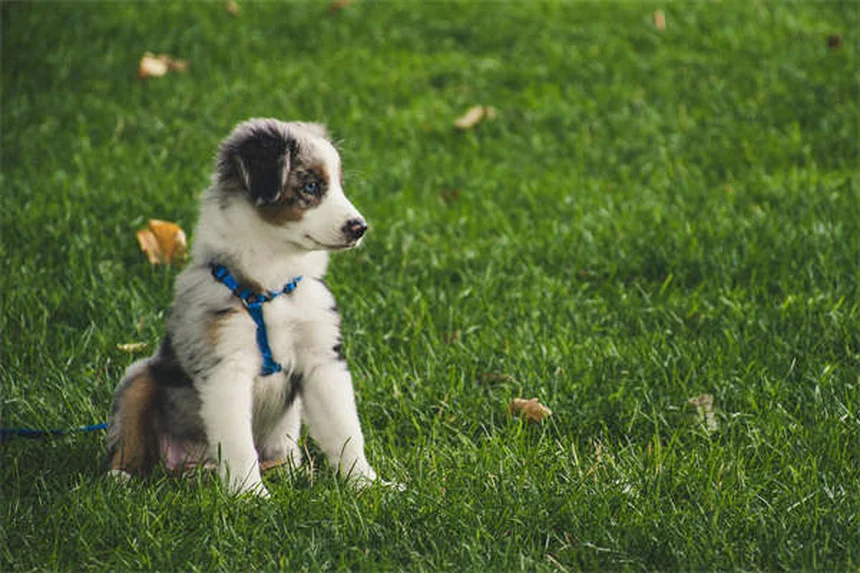 Photos provided by pixabay
1. The Floppy Ear Indicator
What if I told you there's a simple recipe for dog happiness? It's not complicated, but many owners miss key ingredients. Here's what your dog really needs:
1. Quality chow time - Not just any food, but meals that make them excited to eat (while keeping them healthy)
2. Brain games - Puzzle toys are like crossword puzzles for dogs
3. Adventure time - New smells and sights keep life interesting
4. Snuggle sessions - Physical affection releases happy hormones
Think about it - when was the last time you saw a dog unhappy while sniffing every bush on a walk or working on a peanut butter-filled Kong? Exactly.
Reading Between the Barks
Ever wonder why your dog's "I see a squirrel!" bark sounds different from their "You're home!" bark? Happy barks are like excited shouts - higher pitched and full of energy.
Here's a pro tip: Record your dog's different barks. You'll start noticing patterns. The "play with me" bark usually comes with play bows and wiggles, while the "I'm annoyed" bark is lower and more repetitive. Context is everything!
When Happiness Fades: Warning Signs Every Owner Should Know
The Sleep-Behavior Connection
Did you know dogs sleep about twice as much as humans? An adult dog should clock about 14-16 hours of sleep daily. But here's the catch - it needs to be quality sleep.
If your dog is pacing instead of napping, or waking up frequently, something might be bothering them. My friend's Golden Retriever started sleeping less when she developed arthritis - once treated, her happy snooze sessions returned.
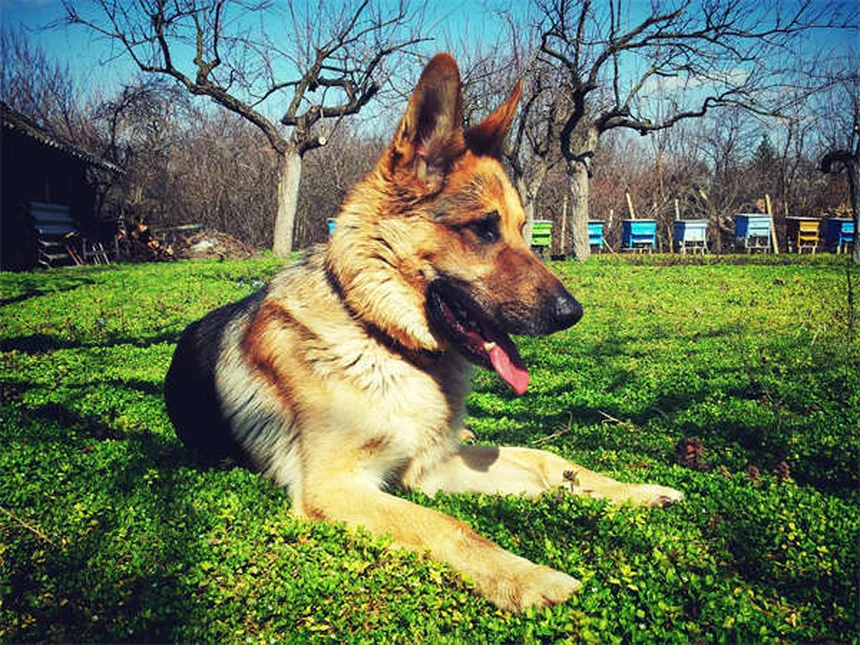 Photos provided by pixabay
1. The Floppy Ear Indicator
Is there anything sadder than a dog turning down treats? When Max refused his favorite peanut butter cookie, I knew something was wrong. Turns out he had a toothache.
Your dog's appetite is like a happiness thermometer. Sudden changes - whether eating more or less - can signal physical or emotional distress. Always investigate appetite changes - it might just save your dog from discomfort.
Beyond the Basics: Advanced Happiness Boosters
The Power of Novelty
Dogs thrive on routine, but they also need new experiences. Try these simple ideas to spice up your dog's life:
- Take different walking routes to engage their nose
- Rotate toys to keep them interesting
- Teach silly new tricks (yes, even old dogs can learn!)
- Set up "sniffari" adventures in new locations
Remember how excited you get trying a new restaurant? That's how dogs feel about new smells and places. Novelty is the spice of canine life.
The Social Butterfly Effect
Some dogs are socialites, others are introverts - and that's okay! The key is knowing your dog's preferences and respecting them.
My cousin's Shiba Inu is perfectly happy ignoring other dogs at the park, while Max thinks every creature is his new best friend. Forcing a shy dog to socialize can backfire, while isolating a social dog can make them depressed. Know your dog's personality!
Your Happiness Matters Too
The Human-Canine Happiness Loop
Here's a beautiful truth: Making your dog happy makes you happier too. That warm feeling you get when your dog greets you? That's oxytocin - the "love hormone" - at work.
Studies show dog owners tend to be more active, less stressed, and even recover from illness faster. So when you're tossing that ball for the hundredth time or brushing your pup, you're actually boosting your own wellbeing too. It's the ultimate win-win.
Final Thoughts From One Dog Lover to Another
At the end of the day, happy dogs make happy homes. Whether it's that goofy grin when you scratch just the right spot or the contented sigh as they curl up next to you, these moments are what dog ownership is all about.
So go ahead - give your dog an extra belly rub today. Try a new walking route. Stuff that Kong with something special. Because a happy dog isn't just a pleasure to be around - they're living proof that joy can be found in life's simplest moments.
The Hidden Language of Dog Tails
More Than Just Wagging
You probably think a wagging tail always means happiness, right? Well, let me tell you - tail language is way more complex than that. It's like reading Morse code with fur!
When my friend's Border Collie gets excited, her tail does this helicopter spin that could probably generate electricity. But when she's concentrating, that same tail goes stiff as a board. The position, speed, and direction of wag all tell different stories. A high, stiff wag might mean alertness, while a low, loose wag usually signals relaxation.
The Right Side vs Left Side Mystery
Here's something wild - dogs tend to wag more to the right when happy and to the left when nervous. Scientists discovered this by watching thousands of dog wags under different circumstances.
Next time your dog greets you, watch closely. That joyful right-sided wag is their way of saying "You're my favorite human!" Meanwhile, a left wag toward a stranger might mean "I'm not sure about you yet." It's like they have built-in mood indicators!
The Power of Play in Dog Happiness
Why Fetch Isn't Just Exercise
You ever notice how your dog's whole personality changes during playtime? That's because play taps into their deepest instincts and brings out pure joy.
My neighbor's terrier mix turns into a completely different dog when chasing balls - ears perked, eyes bright, tongue lolling with that signature doggy grin. Play releases endorphins just like it does for humans. But here's the kicker - different breeds play differently. Herding dogs might prefer chase games, while retrievers live for fetch.
The Play Bow - Nature's Invitation
That classic "butt in the air, front legs down" pose isn't just adorable - it's a universal dog language for "Let's have fun!"
When dogs do the play bow, they're following ancient canine etiquette. It's their way of saying the roughhousing is all in good fun. I've seen tiny Chihuahuas use this move to invite Great Danes to play - and it works! This simple gesture prevents misunderstandings between dogs of all sizes.
The Scent Connection to Happiness
Nose Work - More Than Just Sniffing
Did you know letting your dog sniff freely on walks can be more tiring than running? That's because scent work engages their powerful brains.
I started doing "scent games" with Max where I hide treats around the yard. The way his nose goes into overdrive is incredible to watch. Dogs process smells like we process sights - it's their primary way of experiencing the world. Depriving them of sniff time is like putting blinders on us.
The Comfort of Familiar Scents
Ever wonder why your dog loves your dirty laundry? It's not just gross - it's comforting!
Dogs find security in familiar smells, which is why they often steal our worn clothes. When I travel, I leave an unwashed t-shirt with Max's dog sitter. The sitter says he curls up with it every night. Scent is the invisible thread connecting dogs to their people even when we're apart.
Music and Mood - Yes, Dogs Have Preferences
Do Dogs Really Enjoy Music?
Here's a fun experiment - play different types of music and watch your dog's reaction. You might be surprised!
Studies show dogs prefer soft classical or reggae over loud rock music. When I play piano, Max often lies down nearby and sighs contentedly. But when my nephew plays heavy metal? He heads for the farthest room. Their hearing is so sensitive that harsh sounds can actually cause stress.
The White Noise Solution
Many dogs find comfort in consistent background noise, especially during stressful times like thunderstorms.
I use a white noise machine during fireworks season, and it works wonders. The steady sound masks sudden booms that startle dogs. Some shelters even play audiobooks to calm anxious pups! It's all about creating a soothing sound environment tailored to your dog's needs.
The Emotional Intelligence of Dogs
They Really Do Understand Us
Ever feel like your dog just "gets" you? That's not your imagination - dogs have evolved to read human emotions.
Research shows dogs can distinguish between happy and angry human faces. When I'm sad, Max rests his head on my knee in that special way dogs do. They've spent thousands of years learning to comfort us. It's no wonder they're called man's best friend!
The Jealousy Factor
Think dogs don't get jealous? Try petting another dog in front of yours and see what happens!
Studies prove dogs experience jealousy similar to humans. My sister's Dachshund will literally wedge himself between her and any other dog getting attention. This emotional complexity shows how deeply dogs bond with their people. They're not just seeking food - they crave our love and attention.
Seasonal Happiness Boosters
Summer Splash Happiness
Water-loving breeds lose their minds with joy over simple summer activities.
Labrador owners know this well - throw a stick in water and you've created canine nirvana. But even non-water dogs often enjoy kiddie pools or sprinklers. Just watch for that hilarious "zoomies" aftermath when they're dripping wet and racing around!
Winter Cozy Comforts
Cold weather brings different joys - especially for fluffy breeds who thrive in snow.
My friend's Husky does literal snow angels when the first flakes fall. Short-haired dogs might prefer snuggling under blankets with you. Either way, seasonal changes offer new ways to bond and bring happiness throughout the year.
E.g. :Is My Dog Happy? 13 Signs of a Happy Dog | PetMD
FAQs
Q: What does it mean when my dog's ears are floppy?
A: Floppy ears are one of the clearest signs of a happy, relaxed dog. When your pup's ears are loose and natural (not pinned back or stiff), it means they're completely at ease. My neighbor's Beagle Charlie has one ear that flips inside-out when he's extra happy - it's hilarious! Remember that ear position varies by breed - a German Shepherd's ears won't flop like a Basset Hound's, but you'll still notice them relax when content. If the ears are pricked forward, your dog is interested in something. Ears pulled back tightly usually indicate stress or fear.
Q: Why does my dog slow blink at me?
A: Those dreamy, slow blinks are what dog behaviorists call "love blinks" - and they're basically your dog's way of saying "I trust you completely." When dogs feel safe and happy, their eyes soften and they blink more slowly. Here's a cool experiment: try slow-blinking back at your dog. Many will blink in return! Scientists believe this is an important form of canine communication. Just watch out for wide, unblinking stares or eyes showing white - these are signs your pup might be stressed.
Q: Is a wagging tail always a sign of happiness?
A: While tail wags often mean happiness, context is everything. A truly happy dog will have a loose, wiggly tail that moves their whole rear end - what I call the "helicopter wag." But a stiff, rapidly wagging tail held high could mean your dog is overstimulated or alert. And if the tail is tucked between the legs? That's a clear sign of fear. My Lab Max does this full-body corkscrew wag when he meets his best dog friend - now that's pure joy! Pay attention to your dog's overall body language, not just the tail.
Q: How much sleep should a happy dog get?
A: Adult dogs typically need 14-16 hours of sleep daily to stay happy and healthy. But here's the key - it needs to be quality, relaxed sleep. If your dog is pacing instead of napping or waking frequently, something might be bothering them. A friend's Golden Retriever started sleeping less when she developed arthritis - after treatment, her happy snooze sessions returned. Puppies and senior dogs may sleep even more. If your dog's sleep patterns change suddenly, it's worth investigating.
Q: What are signs my dog isn't happy?
A: Watch for these red flags of canine unhappiness: loss of appetite (Max once refused peanut butter cookies - turned out he had a toothache!), excessive chewing or destruction, avoiding contact, or sudden disinterest in favorite activities. Other signs include pinned-back ears, a stiff body, excessive panting when not hot, or hiding. Remember that every dog has unique personality traits - some are naturally more reserved. The key is knowing what's normal for your individual dog and noticing changes in their usual behavior patterns.