Why do dogs follow you everywhere? The answer is simple: because you're their whole world! Dogs stick to us like velcro for some pretty amazing reasons - it's in their DNA as pack animals, they genuinely love our company, and let's be honest, we usually have the treats. I've lived with dogs my whole life, and trust me, that little shadow trailing behind you is actually one of the greatest compliments your pup can give.But here's something you might not know - while most following behavior is totally normal, sometimes it can signal deeper issues. Maybe your dog's bored and needs more exercise (my Labrador taught me that lesson the hard way). Or perhaps they're feeling anxious and see you as their safe space. The good news? Whether you love having a furry shadow or need some personal space, there are ways to create healthy boundaries while keeping that special bond strong.In this article, we'll break down the 7 most common reasons dogs follow us everywhere - from bathroom breaks to bedtime. You'll learn which breeds are natural velcro dogs, when to be concerned about clingy behavior, and most importantly, how to keep both you and your pup happy with the right balance of togetherness and independence.
E.g. :Gastroduodenal Ulcers in Ferrets: Symptoms, Causes & Treatment
- 1、Why Your Dog is Your Personal Shadow
- 2、Why Your Dog Plays Favorites
- 3、Age Matters in Following Behavior
- 4、When Following Becomes a Problem
- 5、Breed Tendencies in Following Behavior
- 6、Building a Balanced Relationship
- 7、The Science Behind Your Dog's Shadow Behavior
- 8、Training Techniques for Overly Attached Dogs
- 9、The Emotional Intelligence of Dogs
- 10、Cultural Differences in Dog-Human Relationships
- 11、Technology's Impact on Dog Behavior
- 12、Historical Perspective on Dog-Human Bonds
- 13、FAQs
Why Your Dog is Your Personal Shadow
It's in Their DNA to Stick With You
Ever wonder why your pup acts like velcro? Dogs are natural pack animals, and you're their chosen family. For thousands of years, canines have relied on their pack for survival - and now you're the leader of their pack! Wild dogs stick together for protection and companionship, and your pet carries those same instincts.
But genetics only tell part of the story. Your dog follows you because they genuinely enjoy your company. Think about it - would you rather hang out alone or with your best friend? Exactly! That's how your dog feels about you. And if you raised them from puppyhood, they might literally see you as their parent.
They're Social Butterflies (With Fur)
Dogs thrive on interaction just like we do. While some breeds are more independent, most would rather be with their humans than anywhere else. Studies show that dogs release oxytocin (the "love hormone") when interacting with their owners - just like humans do when hugging loved ones!
Here's a fun fact: Did you know your dog can actually get bored? When they're understimulated, following you around becomes their favorite pastime. That's why regular playtime and walks are so important. A tired dog is a happy dog - and often a less clingy one!
Why Your Dog Plays Favorites
 Photos provided by pixabay
You're the Chosen One
Ever notice how your dog seems to prefer you over other family members? There's usually a good reason! Dogs are smart enough to know who provides what in their lives. Check out this comparison:
| Person | What They Provide | Dog's Reaction |
|---|---|---|
| Primary Caregiver | Food, walks, playtime | Constant following |
| Treat Giver | Occasional snacks | Excited greetings |
| Fun Person | Games and adventures | Playful behavior |
But here's something interesting - why do dogs sometimes ignore perfectly nice people? The answer is simple: dogs go where their needs are met. If you're the one who fills their food bowl every morning, of course they'll stick to you like glue!
The Bathroom Fan Club
Let's address the elephant in the room - why does your dog insist on joining you in the bathroom? It's not just about following you everywhere (though that's part of it). Bathrooms are sensory wonderlands for dogs! Between your personal scents and interesting objects, it's like a museum of smells to them.
Think about it from your dog's perspective: "Human goes into small room full of fascinating smells. Must investigate!" Their powerful noses detect things we can't even imagine. While we might find bathroom odors unpleasant, to your dog, it's like reading the morning newspaper!
Age Matters in Following Behavior
Puppy Love is Extra Clingy
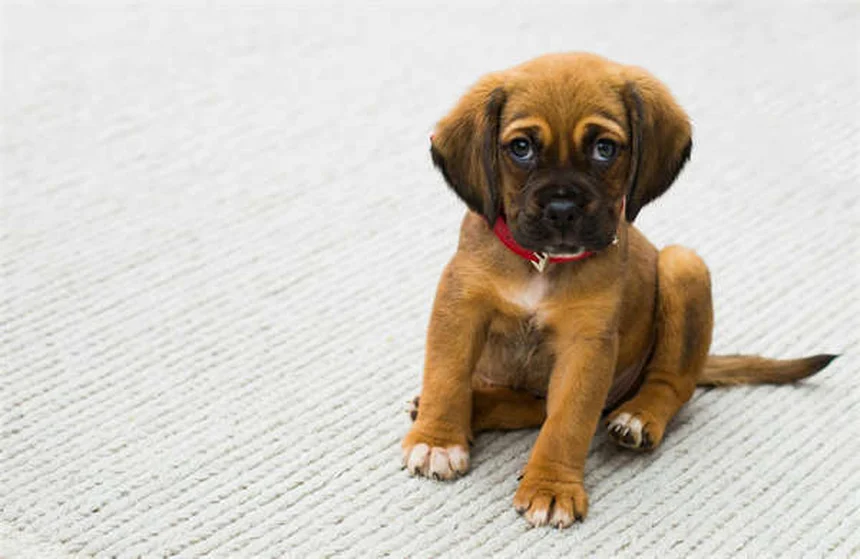
Puppies follow you because you're their whole world. Removed from their mother and siblings, you become their teacher, protector, and source of comfort. Young dogs are like sponges, soaking up information about their environment - and they learn by sticking close to you.
This behavior usually lessens as they mature. But during those first few months, expect your shadow to be extra persistent. Pro tip: This is the perfect time to establish good habits and boundaries!
 Photos provided by pixabay
You're the Chosen One
Older dogs often follow more due to changes in their abilities. Did you know that 60% of dogs over age 8 develop some form of canine cognitive dysfunction? That's similar to dementia in humans. Other age-related issues like vision or hearing loss can make them more dependent too.
If your older dog suddenly becomes clingy, it's worth a vet visit. They might be trying to tell you something's wrong. But sometimes, it's just that they've learned over the years that you're their safe place - and who can blame them for wanting to be near their favorite person?
When Following Becomes a Problem
Recognizing Unhealthy Attachment
While most following behavior is normal, separation anxiety is a real issue for some dogs. Does your dog panic when you leave? Destroy things? Bark excessively? These are red flags that go beyond normal attachment.
Here's a question to consider: Is your dog's behavior causing problems for either of you? If you're constantly tripping over them or they're distressed when alone, it's time to address the issue. But if you both enjoy the closeness, there's no need to change what works!
Creating Healthy Boundaries
Teaching your dog to be comfortable alone is an important life skill. Start with short separations and reward calm behavior. Provide engaging toys or puzzles when you need space. And remember - consistency is key! Everyone in the household should follow the same rules.
One effective technique is the "place" command, where your dog learns to stay on their bed or mat. This gives them a job to do while you're busy. With patience and positive reinforcement, most dogs can learn to balance their affection with independence.
Breed Tendencies in Following Behavior
 Photos provided by pixabay
You're the Chosen One
Some breeds are famous for their attachment to humans. Labrador Retrievers, Golden Retrievers, and Shepherds often stick close because they're bred to work alongside people. On the flip side, many terriers and spitz breeds are more independent thinkers.
But personality matters too! I've met aloof Labs and clingy Huskies. The important thing is understanding your individual dog's needs and comfort levels. After all, every dog is unique - that's what makes them special!
Working Dogs Need Jobs
Breeds like Border Collies and Australian Shepherds follow closely because they're waiting for instructions. Without proper outlets for their energy and intelligence, they can become anxious or destructive. These smart pups thrive when they have tasks to focus on.
The solution? Channel that energy productively! Agility training, puzzle toys, or even hide-and-seek games can satisfy their need for mental stimulation. A busy dog is a happy dog - and often one that's less underfoot!
Building a Balanced Relationship
Quality Time vs Space
The healthiest human-dog relationships have both connection and independence. Schedule regular play sessions and walks to satisfy your dog's social needs. But also create times when they learn to entertain themselves - this builds confidence!
Remember, your dog's following behavior comes from love. With understanding and proper training, you can enjoy their companionship without feeling overwhelmed. After all, isn't unconditional love why we welcome dogs into our lives in the first place?
When to Seek Help
If your dog's behavior suddenly changes or causes distress, don't hesitate to consult a professional. Certified dog trainers or veterinary behaviorists can offer personalized solutions. Sometimes, simple adjustments make a world of difference!
The bottom line? Most following behavior is completely normal. With patience and the right approach, you and your furry shadow can enjoy a happy, healthy life together. Now if you'll excuse me, my own personal shadow just followed me into the kitchen - probably hoping I'll drop something tasty!
The Science Behind Your Dog's Shadow Behavior
Oxytocin - The Love Hormone Connection
You know that warm fuzzy feeling you get when cuddling your dog? Your dog experiences the exact same chemical reaction! Research shows that when dogs and humans interact, both species experience an oxytocin boost - the same hormone that bonds human mothers with their babies.
But here's something fascinating - dogs have actually evolved special facial muscles just to communicate with us! Those puppy-dog eyes aren't accidental - they're a biological adaptation that triggers our caregiving instincts. Talk about a clever evolutionary strategy!
The Power of Scent Recognition
Ever wonder how your dog can track you anywhere in the house? Their sense of smell is 10,000 to 100,000 times more acute than ours. While we might recognize each other by faces, your dog identifies you primarily through your unique scent signature.
This explains why your dog goes crazy when you come home smelling like another animal! To them, it's like you're wearing someone else's perfume. Their powerful noses can even detect subtle changes in your body chemistry that might indicate illness or stress.
Training Techniques for Overly Attached Dogs
The Gradual Independence Method
If your shadow needs some space, try this simple exercise: Start by walking to another room for just 5 seconds, then return and reward calm behavior. Gradually increase the time apart. Consistency is key - practice several short sessions daily rather than one long session weekly.
Here's a pro tip: Vary your departure cues! Dogs are brilliant at picking up patterns. If they always see you grab keys before leaving, they'll start getting anxious at that action. Sometimes grab your keys and then sit back down to watch TV instead.
Creating a Safe Space
Every dog deserves their own "off-duty" area. Whether it's a cozy crate or a special dog bed, this should be a positive place where they can relax undisturbed. Did you know that dogs who have designated safe spaces show lower stress levels? It's true!
Make this area extra appealing with comfortable bedding, favorite toys, and occasional treats that appear magically when they choose to rest there. Over time, your dog will learn to voluntarily retreat to their spot when they need downtime.
The Emotional Intelligence of Dogs
Reading Human Emotions
Your dog isn't just following you physically - they're tracking your emotional state too! Studies demonstrate that dogs can distinguish between happy, angry, and neutral human facial expressions. They'll often mirror your emotions, which explains why they stick closer when you're feeling down.
This emotional attunement goes both ways. Have you ever noticed your dog seems to know when you need comfort? That's because they're remarkably sensitive to subtle cues like changes in your breathing patterns, posture, and even pheromones.
The Comfort-Seeking Behavior
When dogs feel anxious or uncertain, their instinct is to seek proximity to their trusted humans. This explains why many dogs become extra clingy during thunderstorms or fireworks. To them, you're their safe harbor in the storm - literally!
Interestingly, service dogs are trained to override this natural instinct. While pet dogs might hide behind their owners during stress, a well-trained service dog will position themselves between their handler and perceived threats. Quite the role reversal!
Cultural Differences in Dog-Human Relationships
Western vs Eastern Approaches
In America, we often treat dogs like family members - letting them sleep in our beds and follow us everywhere. But in some cultures, dogs have more independent roles. Check out these interesting comparisons:
| Culture | Typical Dog Role | Following Behavior |
|---|---|---|
| American | Companion/Family Member | High attachment |
| Japanese | Status Symbol/Protector | Moderate attachment |
| Middle Eastern | Guardian/Working Dog | Low attachment |
These differences show how human expectations shape dog behavior. Does this mean one approach is better than others? Not necessarily! Each culture has developed dog-rearing practices that fit their specific needs and environments.
The Urban vs Rural Divide
City dogs often develop stronger attachment behaviors than their country cousins. In crowded apartments, dogs have fewer opportunities for independent exploration, making them more likely to shadow their owners. Meanwhile, farm dogs might follow their humans during work but roam freely otherwise.
This explains why urban dog owners often report more separation anxiety issues. The good news? With proper training and enrichment, city dogs can learn to enjoy alone time just as much as their rural counterparts.
Technology's Impact on Dog Behavior
Pet Cameras and Remote Interaction
Modern pet tech offers fascinating solutions for clingy dogs. High-tech pet cameras let you check in and even dispense treats remotely. Some devices even allow two-way audio, so you can reassure your pup while you're away.
But here's an important caveat - these tools work best when combined with proper training. While it's tempting to constantly interact through the camera, this can actually reinforce separation anxiety if not used strategically.
The Rise of Dog Activity Trackers
Wearable tech for dogs provides incredible insights into their behavior patterns. These devices can track how much your dog moves when you're gone versus when you're home. The data often reveals surprising patterns - some dogs are actually more active when their humans are away!
This technology helps us understand that what looks like "clingy" behavior might just be a dog conserving energy while waiting for their favorite person to return. Pretty smart strategy if you ask me!
Historical Perspective on Dog-Human Bonds
From Working Partners to Family Members
The evolution of dog roles explains much about modern attachment behaviors. While early dogs worked alongside humans as hunters and herders, today most dogs serve primarily as companions. This shift from functional to emotional roles has intensified the bond.
Consider this - a sheepdog following its shepherd is performing a job, while your Labrador following you to the fridge is expressing affection. Same behavior, completely different motivation!
The Victorian Era's Influence
Modern dog-keeping practices owe much to 19th century England. The Victorians essentially invented the concept of pets as we know them today. Before this era, few people would have dreamed of letting dogs sleep in their bedrooms!
This historical shift helps explain why some breeds seem "needier" than others. Dogs bred during the pet-keeping revolution were selected specifically for their affectionate, people-oriented temperaments - traits we now consider perfectly normal.
E.g. :Why does my dog follow me around ALL DAY? : r/dogs
FAQs
Q: Is it normal for my dog to follow me into the bathroom?
A: Absolutely normal! While it might feel awkward to have an audience during private moments, your dog sees bathroom time as prime bonding opportunity. Here's why: First, bathrooms are packed with your scent - from towels to toiletries - which comforts your pup. Second, dogs are naturally curious about closed doors (what secrets might you be hiding in there?). And third, let's be honest - bathrooms often mean potential treats, whether it's that dropped Q-tip or the magical water bowl that refills itself. My Golden Retriever used to treat bathroom time like his personal spa day - he'd sprawl on the cool tiles while I brushed my teeth!
Q: Why does my dog follow me but ignore other family members?
A: You've been officially crowned the Alpha! Dogs naturally gravitate toward whoever meets their needs most consistently. If you're the primary walker, feeder, and playmate, of course you're the chosen one! But here's a pro tip: Have other family members regularly participate in feeding and walks too. When my niece started helping with our dog's dinner routine, his loyalty quickly became a shared experience. It creates a healthier dynamic where your pup sees the whole family as valuable resources, not just you.
Q: Should I be worried if my older dog suddenly starts following me everywhere?
A: This could be a red flag worth investigating. While some senior dogs become more clingy simply because they enjoy routine, sudden behavior changes often indicate underlying issues. Common culprits include vision/hearing loss, arthritis pain, or canine cognitive dysfunction (doggy dementia). I learned this the hard way when my 12-year-old Beagle started shadowing me - turns out she was developing cataracts. A vet visit can rule out medical causes and help your aging companion feel more secure.
Q: How can I train my dog to stop following me so much?
A: Positive reinforcement is key! Start by teaching a solid "place" command where your dog stays on their bed or mat. Reward them with treats when they remain there while you move around. Gradually increase distance and duration. My favorite trick? Keep a stash of kibble near their bed and randomly toss some when they choose to relax there independently. Also ensure they're getting enough physical and mental exercise - a tired dog is less likely to be underfoot. Remember, we want to encourage confidence, not punish affection!
Q: Which dog breeds are most likely to follow owners everywhere?
A: The "Velcro Dog" Hall of Fame includes Labrador Retrievers, Golden Retrievers, German Shepherds, and yes, those tiny but mighty Chihuahuas! These breeds were specifically developed to work closely with humans. My neighbor's Border Collie takes it to another level - she literally tries to herd family members from room to room! On the flip side, independent breeds like Shiba Inus and most terriers are more likely to do their own thing. But remember, every dog is an individual - I've met clingy Huskies and aloof Labs too!