How do dogs find their way home? The answer is simpler than you think - they use nature's perfect GPS system built right into their noses and brains! While we humans need smartphones to navigate, your pup relies on two powerful tools: their incredible sense of smell and visual memory. I've seen my own dog Max demonstrate this countless times - whether he's sniffing out our path from three blocks away or recognizing familiar landmarks near our house. But here's the kicker: your dog's homing ability isn't magic, it's science in action! Let me break down exactly how this works so you'll never look at your dog's daily walk the same way again.
E.g. :Pepto Bismol for Dogs: Safe Dosage & Side Effects Guide
- 1、How Do Dogs Find Their Way Home? The Science Behind Their Amazing Skills
- 2、The Nose Knows: Scent Tracking 101
- 3、Eyes on the Prize: Visual Navigation
- 4、When Superpowers Fail: Keeping Your Dog Safe
- 5、Real-World Navigation Tests
- 6、Ancient Instincts in Modern Dogs
- 7、When Technology Meets Wet Noses
- 8、Beyond the Basics: More Fascinating Facts About Canine Navigation
- 9、Training Your Dog's Natural Abilities
- 10、When Dogs Outperform Technology
- 11、Understanding Your Dog's Unique Perspective
- 12、Practical Tips for Urban Dog Owners
- 13、The Emotional Side of Canine Navigation
- 14、FAQs
How Do Dogs Find Their Way Home? The Science Behind Their Amazing Skills
Is It Magic? Nope, Just Super Senses!
Ever watched your dog sprint straight home from three blocks away and wondered "How'd they do that?" Dogs don't need GPS - they come pre-installed with biological navigation systems that'd make any Boy Scout jealous!
While we don't have all the answers (scientists are still studying this), evidence suggests dogs primarily use two superpowers: their incredible noses and visual memory. Forget Google Maps - your pup's got organic mapping technology!
The Nose Knows: Scent Tracking 101
Sniffing Out the Competition
Let's play a numbers game:
| Species | Olfactory Receptors | Smell Advantage |
|---|---|---|
| Humans | 12-40 million | Can detect gas leaks |
| Dogs | 220 million-2 billion | Could find a needle in a haystack... by smell! |
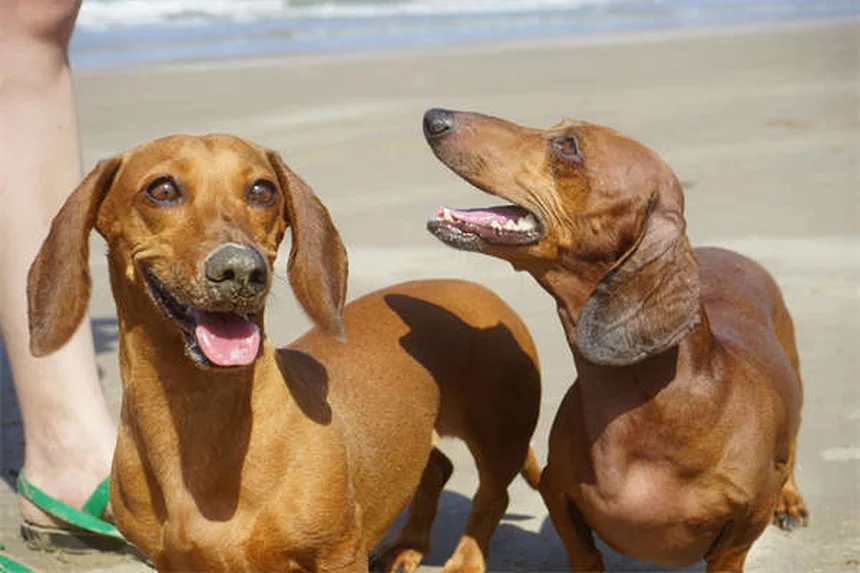
When your dog pees on that fire hydrant during walks? That's not just bathroom time - they're updating their scent-based Google Maps. Each paw step leaves behind unique chemical markers saying "Fido was here!"
 Photos provided by pixabay
The Canine Breadcrumb Trail
Picture this: Every walk creates an invisible scent trail. Regular routes get "refreshed" with new smells (from you, other animals, even that delicious taco you dropped last Tuesday). Over time, these create scent highways leading straight home.
Fun fact: Dogs can detect odors at concentrations nearly 100 million times lower than humans. That's like smelling one rotten apple in two million barrels!
Landmark Specialists
Here's something surprising - your dog isn't always nose-to-ground! Research shows wolves (dog cousins) use visual landmarks like distinctive trees or buildings. Dogs likely do the same, just with worse eyesight (about 20/75 vision vs human 20/20).
My Labrador Max proves this daily. When we're two houses away, he suddenly pulls harder - he knows that blue mailbox means "almost home!"
The Memory Map Theory
Ever notice your dog gets excited when you turn onto your street? That's because they've created a mental scrapbook of visual cues. The red door, that weird garden gnome, the oak tree with the squirrel nest - all become navigation markers.
Pro tip: Try walking your usual route backward occasionally. Many dogs get confused initially - proof they rely on sequential visual memory!
When Superpowers Fail: Keeping Your Dog Safe
 Photos provided by pixabay
The Canine Breadcrumb Trail
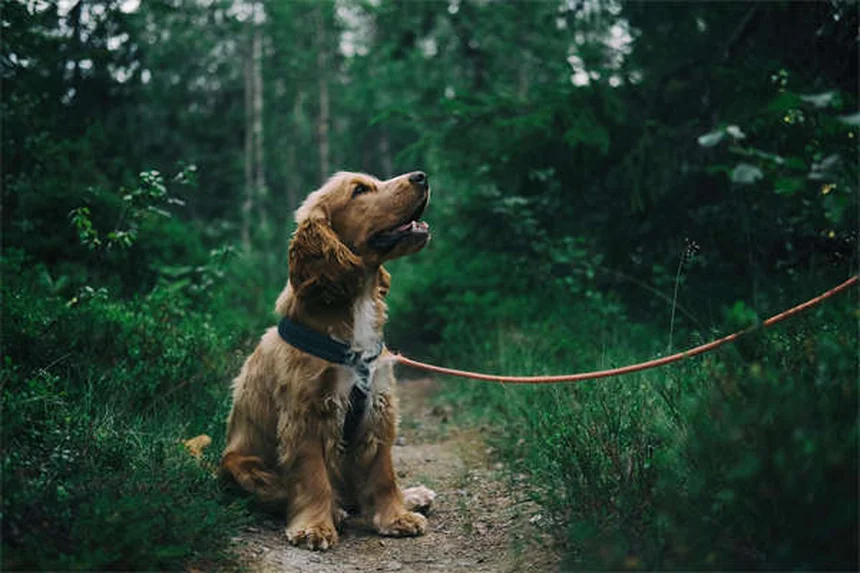
Here's a sobering truth: 10 million pets get lost annually in the US alone. Even with amazing senses, unfamiliar areas, stress, or distractions can overwhelm their navigation skills.
Remember that time your dog chased a squirrel into unknown territory? Exactly why we need backup plans!
Your Dog's Safety Toolkit
Want to sleep better at night? Here's what every responsible owner should have:
- Microchip (permanent ID that vets can scan)
- Collar with ID tags (your phone number in big, clear letters)
- Recent photos (helps with "Lost Dog" posters)
- GPS tracker (for tech-savvy pups)
The Backyard Experiment
Try this fun weekend project: Hide treats in different yard locations while your dog watches. Then bring them inside for 10 minutes. Can they find the treats later? You're testing their short-term spatial memory!
Most dogs score impressively well - some even remember locations days later. This demonstrates their natural mapping abilities.
 Photos provided by pixabay
The Canine Breadcrumb Trail
Here's another game: Rub a cotton ball on your hand, then hide it in one of three identical boxes. Watch how your dog searches - their nose will likely lead them straight to it, showing how they prioritize scent over sight when tracking.
Ancient Instincts in Modern Dogs
From Wolves to Wiener Dogs
Did you know early wolves traveled up to 30 miles daily hunting? Modern dogs inherited those navigation genes, just adapted for shorter distances (like from couch to food bowl).
Next time your dog circles before lying down, that's an ancient instinct - wild canines would trample grass to create comfortable sleeping spots!
Breed Differences Matter
Not all dogs navigate equally. Hunting breeds (Beagles, Bloodhounds) typically have superior scent skills, while herding dogs (Border Collies) often excel at visual navigation. Your Chihuahua? Probably relies more on remembering where you keep the treats!
When Technology Meets Wet Noses
GPS vs Canine Nose: Who Wins?
In 2013, researchers tested a hunting dog's ability to find hidden objects. The dog found targets 95% of the time, while humans with GPS only managed 33%. Moral of the story? Never bet against a determined dog's nose!
Future of Finding Fido
Companies are now developing scent-based GPS that mimics canine navigation. Imagine an app that records environmental smells during walks to create "scent maps" - the ultimate backup for when your dog's natural abilities fail!
Until then, remember: Your dog's homing skills are impressive, but not foolproof. Always have multiple identification methods, because even the best sniffer needs a safety net!
The Magnetic Field Connection
Did you know dogs might have an internal compass? Recent studies suggest they align themselves with Earth's magnetic fields when pooping. No kidding! Researchers found dogs prefer to face north-south when doing their business. This could explain how some lost dogs travel incredible distances to return home.
Think about it - if your dog gets lost in a new neighborhood, they might use magnetic fields as a general guide before switching to scent tracking. It's like having built-in GPS calibration before following turn-by-turn directions!
Can Dogs Really Predict Earthquakes?
Here's something wild - many dog owners report their pets acting strangely before earthquakes. While scientists debate this, one theory suggests dogs detect subtle changes in Earth's electromagnetic fields. If true, this would mean your pup's navigation system includes natural disaster early warning capabilities!
Remember that time your dog suddenly started whining for no apparent reason? Maybe they sensed something you couldn't. Makes you wonder what else they perceive that we miss entirely!
Training Your Dog's Natural Abilities
Scent Games for Everyday Life
Want to help your dog sharpen their natural skills? Try these simple activities:
- The Three-Cup Game: Hide treats under one cup and let your dog find it
- Find the Toy: Show a favorite toy, then hide it in another room
- Scent Trails: Drag a treat along the floor to create a simple trail
These aren't just fun - they're like mental CrossFit for your dog's brain. Plus, they strengthen the bond between you while giving your pup important mental stimulation. Win-win!
Building Visual Memory Skills
Here's a cool trick I learned from a dog trainer: When walking familiar routes, occasionally stop and ask your dog "Which way home?" You'll be amazed how often they choose correctly! This simple exercise reinforces their landmark recognition abilities.
Pro tip: Start with very short distances (like your driveway) before progressing to longer routes. And always reward correct choices with praise or treats - positive reinforcement works wonders!
When Dogs Outperform Technology
Real-Life Rescue Stories
Ever heard of the dog who walked 50 miles to return to his family after getting lost during a move? Or the service dog who led his blind owner down 78 flights of stairs during 9/11? These incredible stories show just how powerful canine navigation can be in emergencies.
Here's a comparison that might surprise you:
| Situation | Human Technology | Canine Ability |
|---|---|---|
| Finding a lost person in wilderness | Drones: 3-5 hours average | Search dogs: 20-60 minutes |
| Detecting medical issues | Medical tests: hours to days | Medical alert dogs: instantly |
Makes you appreciate your dog's natural talents even more, doesn't it?
The Limitations of Technology
While GPS trackers are great, they have weaknesses your dog doesn't. Dead batteries, poor signal areas, or malfunctioning equipment can all fail when you need them most. But your dog's nose? It never needs charging and works in any weather!
That said, technology and natural abilities make the perfect team. Why choose one when you can have both working together to keep your pup safe?
Understanding Your Dog's Unique Perspective
The World Through Dog Senses
Imagine if your morning walk looked like this: Every tree glowing with colorful scent markers, the sidewalk pulsing with trails from yesterday's walk, and magnetic fields visible as faint lines in the air. That's probably close to how your dog experiences the world!
When you realize this, it's easier to understand why they sometimes seem distracted on walks. They're not ignoring you - they're reading the neighborhood news in their own special way!
Why Some Dogs Wander More Than Others
Ever notice how some breeds (looking at you, Huskies!) are more prone to wandering? This traces back to their working backgrounds. Sled dogs needed to range far, while companion breeds developed stronger "homebody" tendencies. It's not disobedience - it's genetic programming!
Knowing your dog's breed tendencies helps you set realistic expectations and take appropriate safety measures. A Beagle will always follow their nose, so you'll need extra precautions compared to, say, a Bulldog who'd rather nap than explore!
Practical Tips for Urban Dog Owners
Navigating the Concrete Jungle
City living presents unique challenges for canine navigation. All those overlapping scents, visual distractions, and limited green spaces can overwhelm even the sharpest dog. Here's how to help:
- Create scent markers: Rub a distinctive scent (like vanilla extract) on your doorway
- Establish visual cues: Use colorful decorations near your home
- Practice in safe areas: Start with quiet streets before busier ones
The key is making your home stand out in your dog's sensory world. Think of it as adding bright neon signs to their mental map of the neighborhood!
When Public Transportation Is Involved
If you regularly take your dog on buses or subways, they develop an entirely different navigation system. Many learn to recognize specific stops by sound, vibration patterns, or even the time between stations!
I once met a dog who knew exactly when to stand up as the train approached his stop. His owner said he never needed to give the command - the dog just knew. Now that's impressive urban adaptation!
The Power of Love in Finding Home
Science can't fully explain some incredible homing stories. How does a dog find its way across states to reunite with owners? Some believe emotional bonds play a role beyond physical senses. Maybe love really does have its own GPS!
Think about your own dog's excitement when you return home. That intense joy suggests they form powerful emotional connections to places and people. Could these feelings actually guide them? We may never know for sure, but it's a beautiful thought.
When Dogs Choose New Homes
Here's an interesting twist - sometimes lost dogs don't return to their original homes. Instead, they settle with new families who care for them. This suggests canine navigation involves more than just physical location - it's about finding where they feel safe and loved.
Makes you think differently about those "adopted by accident" stories, doesn't it? Maybe these dogs weren't really lost - they were exactly where they needed to be!
E.g. :ELI5: how do dogs/cats find their way home from great distances ...
FAQs
Q: How far away can a dog smell its way home?
A: Dogs can detect scents from incredible distances - under perfect conditions, some tracking dogs can follow smells over 12 miles! But here's what's really wild: your neighborhood walks create what I call "scent breadcrumbs." Every time you take the same route, your dog reinforces these invisible trails. I've watched my neighbor's Beagle find his way home from 5 blocks away after getting loose - and he did it by following the exact path they walk every morning. The key factors are wind direction, scent freshness, and how familiar the area is. Pro tip: Regular walking routes strengthen your dog's scent map, making it easier for them to navigate if they ever get lost.
Q: Do all dog breeds have the same homing ability?
A: Not at all! Breeds developed for tracking like Bloodhounds and Beagles typically have superior homing skills thanks to their extraordinary noses (220-300 million scent receptors!). My friend's Bloodhound once tracked her scent through a crowded park after she'd been gone for hours. On the flip side, short-nosed breeds like Bulldogs or Pugs have fewer scent receptors (about 100 million) and may rely more on visual cues. Herding breeds like Border Collies often excel at visual navigation - I've seen them memorize complex obstacle courses after just one run. The bottom line? Your dog's breed gives clues about their navigation strengths, but individual personality and training play huge roles too.
Q: Can dogs really create mental maps of their territory?
A: Absolutely! Research shows dogs build cognitive maps just like humans do. Here's how it works: during walks, your dog notes visual landmarks (that weird pink house, the oak tree with squirrels) and combines them with scent markers. I tested this with Max by taking different routes home - he always perked up at the same visual cues regardless of which direction we came from. Scientists believe dogs use a combination of path integration (calculating distance/direction) and landmark recognition. Try this experiment: walk your usual route backward and watch your dog's confusion - proof they navigate sequentially! Their mental maps aren't perfect though, which is why dogs can get lost in unfamiliar areas.
Q: Why do some dogs still get lost if their navigation is so good?
A: Great question! Even with amazing natural abilities, several factors can throw off your dog's homing skills. Stress is a big one - a scared dog may run blindly instead of using their senses. Distractions (like chasing squirrels!) can lead them too far from familiar territory. I've worked with shelters where lost dogs were found miles from home because they kept moving instead of retracing their steps. Weather matters too - heavy rain can wash away scent trails. That's why I always tell clients: never rely solely on your dog's navigation skills. Microchips, ID tags, and GPS collers provide crucial backups when nature's GPS fails.
Q: How can I test my dog's homing abilities safely?
A: Try these fun backyard experiments to see your dog's skills in action! First, the treat hunt: hide treats in different spots while your dog watches, then bring them inside for 10 minutes. Can they find the treats later? This tests short-term spatial memory. Next, the scent challenge: rub a cotton ball on your hand and hide it in one of three identical boxes - most dogs will find it quickly, showing how they prioritize scent over sight. For outdoor testing (in a secure area!), have someone hold your dog while you hide, then call them. Important safety tip: only attempt these tests in fully fenced areas - I learned this the hard way when Max took his "finding mom" game too seriously and jumped our low fence!