Looking for the perfect doodle dog to join your family? You're in luck! Doodles have taken the dog world by storm, combining the Poodle's intelligence and low-shedding coat with other popular breeds' best traits. The answer is: there's a doodle for every lifestyle! Whether you want an energetic adventure buddy or a cuddly lap dog, these designer mixes offer something special.I've worked with dozens of doodles over the years, and let me tell you - their personalities are as varied as their curly coats. From the original Labradoodle to the tiny but mighty Yorkiepoo, each brings unique charm. But here's what all good doodles share: they're smart, affectionate, and full of character. Just remember - finding a reputable breeder is key to getting a healthy, well-adjusted pup!
E.g. :Insulinoma in Dogs: Symptoms, Treatment & Survival Guide
- 1、Meet The Doodle Dog Family
- 2、The Original Superstar: Labradoodle
- 3、The Golden Retriever's Fluffy Cousin: Goldendoodle
- 4、The Gentle Giant: Bernedoodle
- 5、The Perfect Apartment Doodle: Cavapoo
- 6、The Class Clown: Aussiedoodle
- 7、The Fluff Monster: Sheepadoodle
- 8、The Tiny Terror: Yorkiepoo
- 9、The Versatile Performer: Schnoodle
- 10、The Long-Lived Lapdog: Shih-Poo
- 11、The Athletic Goofball: Boxerdoodle
- 12、The Hunting Companion: Irish Doodle
- 13、The Silky Charmer: Whoodle
- 14、The Classic: Cockapoo
- 15、The Protective Companion
- 16、Training Your Doodle
- 17、Doodle Health Matters
- 18、Doodle-Proofing Your Home
- 19、Socializing Your Doodle
- 20、Traveling With Your Doodle
- 21、Senior Doodle Care
- 22、Doodle Community
- 23、FAQs
Meet The Doodle Dog Family
Why Doodles Are Taking Over The Dog World
You've probably noticed doodle dogs everywhere these days - at the park, on Instagram, even starring in commercials! These curly-coated cuties combine the best traits of poodles with other popular breeds. But what makes them so special? Let me break it down for you.
Doodles inherit the poodle's intelligence and low-shedding coat, then mix it with the personality of another awesome breed. The result? A super smart, often hypoallergenic pup with tons of personality. But here's the thing - no two doodles are exactly alike, even within the same litter. That's why finding a reputable breeder who prioritizes health and temperament is so important.
What To Expect With A Doodle
Think of doodles like snowflakes - each one is unique! But we can make some general predictions based on their parent breeds. Most doodles share some common traits:
- High intelligence (they learn tricks crazy fast!)
- Friendly, outgoing personalities
- Low to moderate shedding coats
- Playful energy that lasts well into adulthood
Now let's dive into the most popular doodle types you'll meet at the dog park.
The Original Superstar: Labradoodle
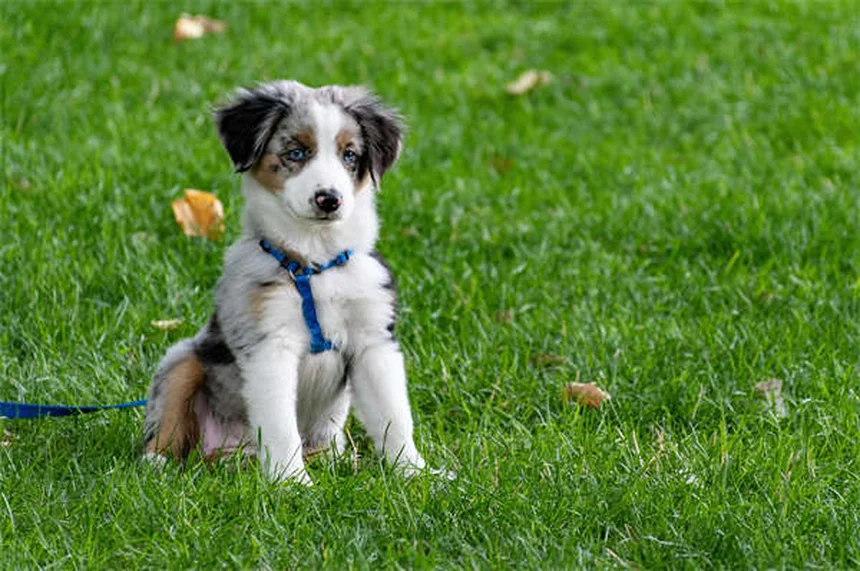 Photos provided by pixabay
History Of The First Doodle
The Labradoodle started it all! Back in the 1980s, an Australian breeder wanted to create the perfect service dog by mixing a Labrador Retriever's gentle nature with a Poodle's intelligence and hypoallergenic coat. The result was so successful that it launched the entire doodle craze.
Did you know the first Labradoodle was named Sultan? He worked as a guide dog and proved that mixed breeds could have predictable, desirable traits. Today, Labradoodles still make excellent service dogs, but they're just as happy being family pets.
Labradoodle Basics
| Trait | Details |
|---|---|
| Size | 50-70 lbs (Standard), smaller if mixed with Mini Poodle |
| Height | 20-25 inches at the shoulder |
| Lifespan | 12-15 years of adventure |
| Coat | Curly or wavy, comes in every color from black to cream |
Their personality? Imagine your smartest friend who's always up for a game of fetch. Labradoodles are energetic, eager to please, and crazy about their people. They need plenty of exercise and mental stimulation - a bored Labradoodle might redecorate your house with your shoes!
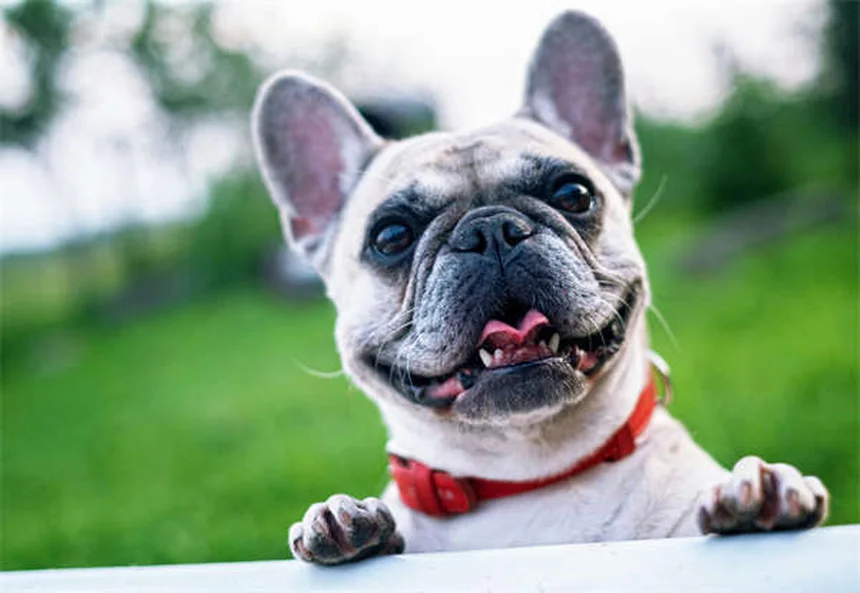
The Golden Retriever's Fluffy Cousin: Goldendoodle
Why Everyone Loves Goldendoodles
If Labradoodles are the pioneers, Goldendoodles are the breakout stars. These golden fluffballs combine a Poodle's brains with a Golden Retriever's sunny disposition. No wonder they're one of America's favorite doodles!
Here's a fun fact: Goldendoodles often inherit the Golden's signature "smile." When they're happy (which is always), their lips curl up in what looks like a grin. Combine that with their wiggly butts and you've got one irresistible pup.
 Photos provided by pixabay
History Of The First Doodle
Ever wonder why Goldendoodles make such great therapy dogs? It's their natural empathy and gentle nature. They seem to sense when someone needs comfort and will happily cuddle for hours.
But don't let their chill side fool you - these are athletic dogs who need:
- At least 60 minutes of exercise daily
- Regular grooming (every 6-8 weeks)
- Lots of socialization as puppies
- Mental challenges like puzzle toys
The Gentle Giant: Bernedoodle
Big Dog, Bigger Heart
Picture a living, breathing teddy bear - that's a Bernedoodle. These massive fluffballs combine the Bernese Mountain Dog's sweet temperament with the Poodle's smarts. Despite their size (some reach 100 lbs!), they think they're lap dogs.
Here's something hilarious about Bernedoodles: they're famous for their "Bernese lean." When they love you (which they will immediately), they'll gently lean their full weight against you. It's like getting hugged by a warm, furry boulder!
Caring For Your Gentle Giant
Bernedoodles need space to stretch those long legs, but they're surprisingly adaptable. I've known several living happily in apartments - as long as they get multiple daily walks and weekend adventures.
Their gorgeous coats require commitment:
- Daily brushing to prevent mats
- Professional grooming every 6 weeks
- Regular checks for ear infections
Pro tip: Start grooming early! Getting a 10-pound puppy used to brushing is way easier than convincing a 90-pound adult.
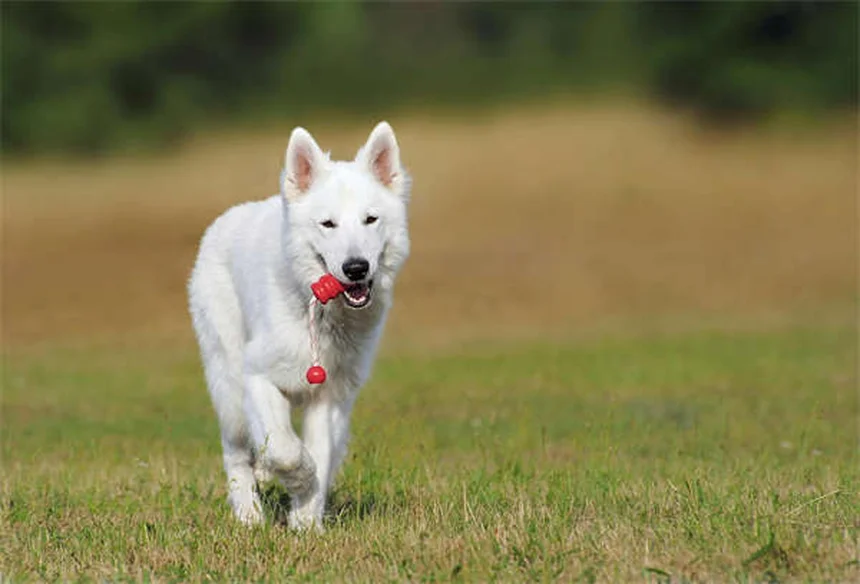
The Perfect Apartment Doodle: Cavapoo
 Photos provided by pixabay
History Of The First Doodle
Don't have space for a big doodle? Meet the Cavapoo, the perfect pint-sized companion. These charmers mix Cavalier King Charles Spaniel sweetness with Toy Poodle intelligence. They're like living stuffed animals that actually want to cuddle!
Here's why city dwellers love them: Cavapoos are quiet (mostly), don't need much space, and their small size makes them perfect for carrying in a dog bag when you're out and about. Just try walking one without getting stopped by admirers!
Cavapoo Care Simplified
Think small dogs are easy? Think again! Cavapoos may be tiny, but they have big needs:
- Frequent potty breaks (tiny bladders!)
- Careful handling (they're delicate)
- Daily mental stimulation
- Regular dental care
Their grooming needs are surprisingly high maintenance too. That adorable fluffy face? It needs daily wiping to prevent tear stains. But their love and companionship make it all worthwhile.
The Class Clown: Aussiedoodle
Endless Energy, Endless Fun
If you want a dog that keeps you laughing (and moving!), the Aussiedoodle is your match. Australian Shepherd + Poodle = one hilariously goofy, incredibly smart pup. These dogs have more energy than a toddler after birthday cake!
Ever seen a dog "talk"? Aussiedoodles are famous for their vocalizations - not quite barks, more like grumbles, whines, and "arooos" that sound like they're trying to have a conversation. It's like living with a furry stand-up comedian!
Keeping Up With Your Aussiedoodle
These aren't couch potato dogs. An Aussiedoodle needs:
- 2+ hours of exercise daily
- Advanced training (they're too smart for their own good)
- Jobs to do (like agility or nose work)
- Constant mental challenges
But here's the payoff: there's nothing more rewarding than channeling all that energy into fun activities. An engaged Aussiedoodle will be your most loyal, enthusiastic partner in adventure.
The Fluff Monster: Sheepadoodle
Living Cloud With A Personality
Looking at a Sheepadoodle, you might wonder where the dog is under all that fluff! These Old English Sheepdog-Poodle mixes are walking teddy bears with hearts to match. Their signature black-and-white coats make them look like they're wearing tuxedos - very fancy!
Here's something adorable: Sheepadoodles often retain the Sheepdog's signature "puppy eyes" their whole lives. That means even at 10 years old, they'll still give you that "I'm just a baby" look when they want something.
Grooming Your Fluffy Friend
That gorgeous coat comes with responsibilities:
| Grooming Need | Frequency |
|---|---|
| Brushing | Daily (seriously!) |
| Professional Grooming | Every 4-6 weeks |
| Bathing | Every 2-3 weeks |
| Ear Cleaning | Weekly |
But here's a secret: many owners opt for a "puppy cut" that keeps the fur shorter and more manageable. Your groomer will thank you!
The Tiny Terror: Yorkiepoo
Big Attitude In A Small Package
Don't let their size fool you - Yorkiepoos have personalities twice as big as their tiny bodies! These Yorkshire Terrier-Poodle mixes pack all the spunk of their parents into an itty-bitty frame. They're like pocket-sized comedians!
Here's something funny about Yorkiepoos: they often don't realize how small they are. I've seen a 5-pound Yorkiepoo confidently strut up to a Great Dane like, "What's up, buddy?" Their confidence is both hilarious and admirable.
Living With Your Tiny Diva
Yorkiepoos may be small, but they have big needs:
- Careful handling (they're fragile!)
- Consistent training (or they'll rule the house)
- Frequent potty breaks
- Regular dental care
Their coats can range from silky like a Yorkie to curly like a Poodle. Either way, they need regular brushing and occasional trimming to keep looking their best.
The Versatile Performer: Schnoodle
A Doodle For Every Lifestyle
Here's something cool about Schnoodles: they come in every size from teacup to giant! That's because both Schnauzers and Poodles have multiple size varieties. Whether you want a purse pup or a sturdy companion, there's a Schnoodle for you.
These dogs often inherit the Schnauzer's signature beard, giving them a wise, professorial look. Don't be fooled - behind that serious face is a playful goofball who loves making you laugh!
Schnoodle Smarts And Care
All Schnoodles share some common traits:
- High intelligence (they learn tricks lightning fast)
- Moderate energy (a few good walks plus playtime)
- Low-shedding coats (great for allergy sufferers)
- Strong loyalty to their families
Their grooming needs vary by coat type. The wiry Schnauzer coat needs hand-stripping, while the curly Poodle coat needs regular clipping. Most fall somewhere in between.
The Long-Lived Lapdog: Shih-Poo
Your Companion For Years To Come
Want a doodle that will be with you through life's changes? The Shih-Poo combines two famously long-lived breeds (Shih Tzu and Poodle) into one adorable package. It's not unusual for these little guys to celebrate their 16th birthday!
Here's something sweet about Shih-Poos: they often retain their playful puppy attitudes well into their senior years. A 12-year-old Shih-Poo might still get the zoomies after bath time!
Caring For Your Perpetual Puppy
Shih-Poos are relatively low-maintenance, but they do need:
- Regular face cleaning (to prevent tear stains)
- Frequent potty breaks (tiny bladders remember?)
- Moderate exercise (short walks plus playtime)
- Lots of cuddles (they're lap dogs at heart)
Their coats can range from straight to curly, but all types need regular brushing to prevent tangles. Many owners opt for a short "puppy cut" for easier maintenance.
The Athletic Goofball: Boxerdoodle
Clown + Athlete = Boxerdoodle
If you like your dogs equal parts athletic and hilarious, meet the Boxerdoodle. These Boxer-Poodle mixes have endless energy and a sense of humor to match. Watching a Boxerdoodle play is like watching a stand-up comedian who also happens to be an Olympic athlete!
Here's something adorable about Boxerdoodles: they often do the "Boxer wiggle" where their whole back end moves when they're excited. Combine that with their floppy ears and you've got one entertaining pup!
Channeling All That Energy
Boxerdoodles need:
- Serious exercise (think running, not just walking)
- Advanced training (they're smart and strong)
- Lots of socialization (they can be protective)
- Mental challenges (puzzle toys, nose work, etc.)
Their coats are usually low-shedding and range from short like a Boxer to curly like a Poodle. Either way, they're relatively easy to maintain with regular brushing.
The Hunting Companion: Irish Doodle
Field To Family Room
The Irish Doodle combines the Irish Setter's hunting prowess with the Poodle's intelligence to create one versatile pup. These dogs are just as happy retrieving ducks as they are snuggling by the fire. Talk about the best of both worlds!
Here's something cool about Irish Doodles: they often inherit the Setter's gorgeous red coat. Watching one run through a field is like watching a flame dancing across the grass!
Meeting Their Needs
Irish Doodles thrive when they have:
- Plenty of exercise (they're athletes)
- Mental stimulation (they get bored easily)
- Training (they're smart but can be stubborn)
- Socialization (they love everyone)
Their long, wavy coats need regular brushing to prevent mats. Many owners keep them in a shorter "field cut" for easier maintenance.
The Silky Charmer: Whoodle
Soft As A Cloud
Run your hands through a Whoodle's coat and you'll understand the appeal. These Soft-Coated Wheaten Terrier-Poodle mixes have silky, flowing fur that's incredibly soft to the touch. They're like living, breathing stuffed animals!
Here's something funny about Whoodles: they often do the Wheaten "greetin'" where they jump straight up when excited. It's like they're trying to give you a high-five with all four paws!
Grooming Your Silky Friend
That beautiful coat needs:
- Daily brushing (to prevent tangles)
- Regular professional grooming
- Frequent ear checks (those floppy ears trap moisture)
- Occasional beard trimming (for neatness)
Whoodles are moderate shedders, so they're not completely hypoallergenic. But their sweet, playful personalities more than make up for it!
The Classic: Cockapoo
The Original Small Doodle
Before there were Labradoodles, there were Cockapoos. These Cocker Spaniel-Poodle mixes have been winning hearts since the 1960s! Their enduring popularity proves that sometimes, the classics are best.
Here's something adorable about Cockapoos: they often do the "Cocker head tilt" when you talk to them, like they're trying their hardest to understand every word you say. It's impossibly cute!
Cockapoo Care Basics
Cockapoos need:
- Regular grooming (every 4-6 weeks)
- Moderate exercise (a couple good walks daily)
- Socialization (they can be shy)
- Ear care (those long ears need cleaning)
Their coats can range from loose waves to tight curls, but all types need regular brushing to stay mat-free. Many owners opt for a short, manageable clip.
The Protective CompanionBeyond the Basics: Doodle Care Essentials
Grooming Like a Pro
You might think doodles are low-maintenance because they don't shed much, but their coats require serious attention. I learned this the hard way when my Goldendoodle developed mats behind his ears! Here's what you need to know:
Brushing isn't optional - it's a daily ritual. Use a slicker brush and metal comb to reach down to the skin. Those adorable curls? They tangle like nobody's business. And here's a pro tip: mist the coat with water or detangling spray before brushing to prevent breakage.
Finding the Right Groomer
Not all groomers understand doodle coats. You'll want someone who:
- Has experience with curly/wavy coats
- Uses sharp, high-quality tools
- Doesn't rush through the appointment
- Communicates clearly about cut options
Ask to see photos of their previous doodle clients. A good groomer will have a portfolio showing different clip styles. And don't be afraid to speak up about what you want - it's your pup's haircut after all!
Training Your Doodle
Smart Dogs Need Smart Training
Ever tried to outsmart a doodle? Good luck with that! These dogs learn faster than most, which means they'll pick up bad habits just as quickly as good ones. Here's what works best:
Positive reinforcement is key. Doodles respond amazingly well to treats, praise, and play rewards. But here's the catch - they get bored with repetition. Keep training sessions short, fun, and varied. One day work on sit-stay, the next try a new trick like "shake."
Common Doodle Challenges
Even perfect pups have their quirks. Most doodles struggle with:
| Issue | Solution |
|---|---|
| Jumping on people | Teach "four on the floor" with treats |
| Leash pulling | Use front-clip harnesses |
| Separation anxiety | Gradual alone-time training |
Remember, consistency is everything. If you let them get away with bad behavior "just this once," they'll remember that loophole forever!
Doodle Health Matters
Genetic Testing 101
Did you know some doodle breeders don't health test their dogs? This is a huge red flag. Reputable breeders will test for:
Hip dysplasia, eye diseases, and genetic disorders common to both parent breeds. Always ask to see health clearances - not just for the puppies, but for the parents and grandparents too. A well-bred doodle might cost more upfront, but you'll save thousands in vet bills later.
Nutrition for Active Doodles
What you feed your doodle impacts their energy, coat quality, and overall health. Look for:
- High-quality protein as first ingredient
- Omega fatty acids for skin/coat health
- Appropriate calorie content for activity level
- Limited fillers like corn or wheat
Portion control matters too! Those puppy-dog eyes will convince you they're starving, but overfeeding leads to joint issues. Measure meals and limit treats to 10% of daily calories.
Doodle-Proofing Your Home
Chew Toy Essentials
Ever come home to find your favorite shoes destroyed? Doodles explore with their mouths, especially as puppies. Stock up on:
Kong toys (stuff them with peanut butter), bully sticks, and tough rubber chew toys. Rotate toys weekly to keep them interesting. And here's a lifesaver: keep anything you value out of reach for at least the first two years!
Creating Safe Spaces
Doodles thrive with routine and their own "spot." Set up:
- A cozy crate for downtime
- A dog bed in your main living area
- Baby gates to limit access when unsupervised
- A designated potty area if you have a yard
Training them to love their crate is golden. Make it comfy with blankets and occasional treats so they see it as their safe den, not punishment.
Socializing Your Doodle
The Critical First Year
Why do some doodles grow up nervous or reactive? Usually it's lack of early socialization. Between 8-16 weeks, expose your pup to:
Different people (hats, sunglasses, beards), surfaces (grass, tile, gravel), sounds (traffic, vacuums, kids playing), and other vaccinated dogs. Keep experiences positive with treats and praise. This investment pays off with a confident, well-adjusted adult dog.
Ongoing Social Needs
Doodles are social butterflies who need regular interaction:
| Activity | Frequency |
|---|---|
| Dog park visits | 2-3 times weekly |
| Training classes | Ongoing sessions |
| Novel experiences | Weekly outings |
A well-socialized doodle makes vet visits, grooming appointments, and travel much easier. It's never too late to start, but earlier is always better!
Traveling With Your Doodle
Road Trip Ready
Can you imagine vacationing without your furry best friend? Me neither! Here's how to prepare:
Get your doodle comfortable with car rides starting with short trips. Use a crash-tested harness or travel crate for safety. Pack their food, water, medications, favorite toys, and vet records. And never leave them alone in a hot car - doodles overheat easily with all that fur!
Air Travel Tips
Flying with your doodle requires planning:
- Check airline pet policies well in advance
- Get an airline-approved carrier
- Schedule a pre-trip vet check
- Practice being in the carrier at home first
Consider your dog's temperament - anxious dogs might be better off with a pet sitter. And remember, doodles over 20 lbs usually can't fly in-cabin.
Senior Doodle Care
Spotting Age-Related Changes
How can you tell when your playful doodle is becoming a senior? Look for subtle signs like:
Slower to rise in the morning, less interest in long walks, cloudy eyes, or graying muzzle. Most doodles enter their senior years around 7-8 years old. Regular vet checks become even more important to catch issues early.
Keeping Them Comfortable
Small adjustments make a big difference for aging doodles:
- Orthopedic beds for joint support
- Ramps instead of stairs
- More frequent but shorter walks
- Senior-formula food
Don't stop training and play - mental stimulation keeps their minds sharp. Just adjust the intensity to match their energy levels.
Doodle Community
Finding Your Tribe
Ever been to a doodle meetup? It's like a fluffy party! Search Facebook for local doodle groups where you can:
Exchange training tips, share groomer recommendations, and set up playdates. Many cities have annual "Doodle Romp" events where hundreds of doodles play together. It's hilarious chaos and great socialization for your pup!
Online Resources
Some of my favorite doodle-specific sites include:
- Doodle Dogs Forum (advice from experienced owners)
- Doodle Kisses (training tutorials)
- Your Doodle's Breed Club website
- Instagram hashtags like #doodledaily
Just beware of misinformation - always double-check health advice with your vet. The doodle community is incredibly supportive once you find your people!
E.g. :The 16 Most Popular Types of Doodle Dogs | PetMD
FAQs
Q: What makes doodle dogs so popular?
A: Doodles have become incredibly popular for several great reasons! First off, they combine the Poodle's intelligence and hypoallergenic coat with other breeds' wonderful personalities. Most doodles are super friendly, highly trainable, and great with families. Their low-shedding coats make them ideal for allergy sufferers too. I've seen firsthand how doodles adapt to different lifestyles - whether you're an active hiker or prefer couch cuddles. Plus, let's be honest, those curly coats and expressive eyes are downright irresistible! Just remember, no two doodles are exactly alike, so it's important to research each mix's specific traits.
Q: Are doodle dogs good for first-time owners?
A: Many doodles can be great for first-time owners, but it depends on the mix! Smaller doodles like Cavapoos and Maltipoos are generally easier to handle, while energetic mixes like Aussiedoodles might challenge beginners. From my experience, Goldendoodles and Labradoodles often make excellent first dogs because they're typically eager to please and forgiving of training mistakes. However, all doodles need consistent training, socialization, and grooming. My advice? Start with puppy classes - they'll help you and your new doodle build confidence together!
Q: How much grooming do doodle dogs require?
A: Doodle grooming needs can vary, but most require regular maintenance to keep their coats healthy. Typically, you'll need to brush your doodle every other day to prevent painful mats, with professional grooming every 6-8 weeks. Some high-maintenance coats (like Sheepadoodles) might need daily brushing. I always tell new doodle owners to start grooming early - getting a puppy comfortable with brushing saves so much stress later! Pro tip: invest in quality tools like a slicker brush and metal comb. And don't forget those regular ear cleanings - floppy ears can trap moisture.
Q: Do doodle dogs have health problems?
A: Like all dogs, doodles can be prone to certain health issues, but choosing a responsible breeder significantly reduces risks. Common concerns include hip dysplasia (in larger doodles), eye problems, and ear infections. The good news? Crossbreeding often results in hybrid vigor, meaning mixed breeds may be healthier than purebreds. From my vet visits with doodles, I've seen that proper care goes a long way - maintain a healthy weight, keep up with vet checkups, and ask breeders about genetic testing. Remember, a well-bred doodle from health-tested parents is your best bet for a long, happy life together!
Q: Which doodle breed is the calmest?
A: If you're looking for a chill doodle, consider these top picks! Cavapoos are famously mellow, inheriting the Cavalier's laidback personality. Bernedoodles, despite their size, are gentle giants who love lounging. And Shih-Poos make perfect lap dogs. In my experience, smaller doodles tend to be calmer, but there are always exceptions. One of my clients has a super chill Labradoodle who'd rather nap than play fetch! The key is meeting the puppy's parents when possible - temperament is often hereditary. Also, remember that proper exercise and training can help any doodle develop good manners.