Thinking about adopting a dog? Here's the straight answer: you're about to make one of the best decisions of your life, but only if you avoid these 6 critical mistakes first-time adopters always make. I've seen too many well-meaning people like my neighbor Tom rush into dog adoption without proper preparation - and trust me, you don't want to be the person whose husky turns the neighborhood into a wolf sanctuary!As someone who's worked with hundreds of adoptions, I can tell you that the difference between a happy adoption and a disaster often comes down to avoiding these simple errors. Whether it's choosing the wrong breed for your lifestyle or underestimating costs (that free shelter dog might cost you $3,000 in the first year!), we're going to walk through exactly what NOT to do when bringing home your new best friend.Kristi Littrell from Best Friends Animal Society says it best: Dogs aren't accessories - they're emotional, intelligent family members who need real commitment. So let's make sure you're fully prepared for this amazing journey!
E.g. :Rabbit Urinary Tract Blockage: Signs, Causes & Treatment
- 1、Adopting a Dog? Avoid These 6 Major Mistakes
- 2、Mistake #1: Choosing Looks Over Personality
- 3、Mistake #2: Skipping the Trial Period
- 4、Mistake #3: Underestimating Training Needs
- 5、Mistake #4: Ignoring Your Resident Pets
- 6、Mistake #5: Overlooking Medical History
- 7、Mistake #6: Going It Alone
- 8、Beyond the Basics: What New Dog Owners Often Miss
- 9、The Unexpected Challenges of Dog Parenthood
- 10、Creating a Dog-Friendly Lifestyle
- 11、The Long-Term Commitment
- 12、Celebrating the Small Victories
- 13、FAQs
Adopting a Dog? Avoid These 6 Major Mistakes
Hey there! I'm John Gilpatrick, and let me tell you - bringing home a new furry friend is one of the most exciting decisions you'll ever make. Your future dog isn't just a pet, they're about to become your loyal companion, your Netflix buddy, and possibly the best listener you'll ever meet!
Why Preparation Matters More Than You Think
Now, I know what you're thinking - "It's just a dog, how complicated can it be?" Well, let me share a quick story. My neighbor Tom rushed into adopting a husky because it looked "cool" - turns out, Tom lives in a tiny apartment and works 12-hour days. That poor dog howled so much we thought our street had turned into a wolf sanctuary!
Kristi Littrell from Best Friends Animal Society puts it perfectly: "Dogs aren't accessories you can return when they don't match your couch. They're emotional, intelligent family members who need real commitment." We're talking daily walks, vet bills that might surprise you, and enough love to fill a swimming pool.
The Financial Reality of Dog Ownership
Let's talk numbers for a second. Many first-time adopters underestimate the costs involved. Check out this comparison between what people expect and the actual expenses:
| Expense Category | Expected Cost | Actual First-Year Cost |
|---|---|---|
| Food | $300 | $500-$800 |
| Vet Visits | $200 | $400-$1,200 |
| Supplies | $150 | $300-$600 |
| Training | $0 (DIY) | $200-$1,000 |
See what I mean? That "free" shelter dog might cost you $3,000 in the first year alone. But don't let this scare you - just be prepared!
Mistake #1: Choosing Looks Over Personality
 Photos provided by pixabay
The "Cute Factor" Trap
We've all been there - walking through the shelter and falling for those puppy-dog eyes. But here's the thing: that adorable face won't tell you if the dog matches your lifestyle. I once met a retired couple who adopted a border collie because it was "so pretty" - turns out, collies need more exercise than most Olympic athletes!
Instead of focusing on appearance, ask yourself: How much time can I dedicate to exercise? Do I want a cuddler or an independent spirit? Can I handle a vocal breed in my apartment building? These questions matter way more than coat color.
Adoption Counselor Knows Best
Shelter staff spend all day with these animals - they're like doggy matchmakers! Tell them about your daily routine, living situation, and personality. They'll help you find your perfect match, even if it's not the dog you initially noticed.
Remember my friend Sarah? She wanted a tiny lap dog but the counselor suggested a calm adult pitbull mix. Three years later, that "scary-looking" dog sleeps curled around her like a living blanket every night.
Mistake #2: Skipping the Trial Period
Why Rushing Leads to Regret
Did you know most shelters offer foster-to-adopt programs? These trial runs let you see how the dog fits into your actual life before making it permanent. Think of it like test-driving a car, except with more tail wagging.
Here's a shocking stat: About 10% of adopted dogs get returned within six months. Many of these could be avoided with a proper trial period. The dog might have habits you didn't notice at the shelter, or your cat might declare war on the newcomer.
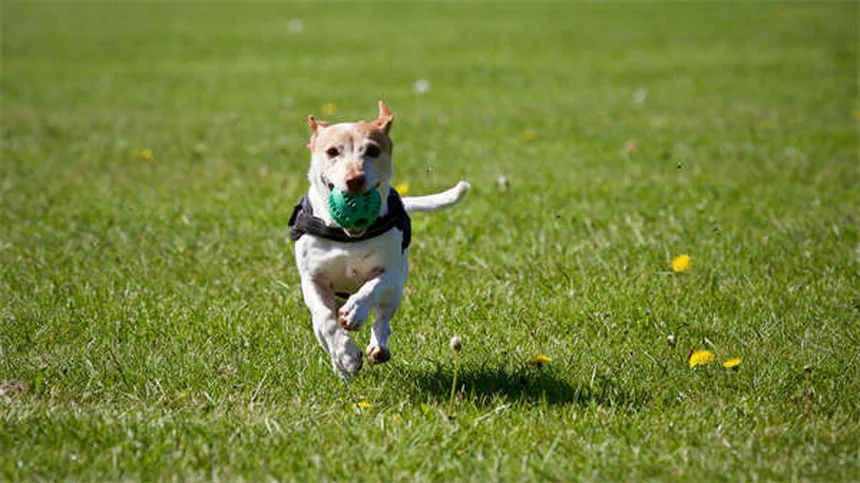 Photos provided by pixabay
The "Cute Factor" Trap
During your trial, pay attention to:- How the dog reacts to your daily schedule- Their energy levels at different times of day- Any unexpected behaviors (like counter surfing!)- How they interact with all family members
Pro tip: Keep a journal during this period. You'll be amazed what patterns you notice when you write things down!
Mistake #3: Underestimating Training Needs
Every Dog Needs Guidance
Here's a question for you: Would you adopt a toddler without planning to teach them anything? Of course not! Dogs need education just as much - they just won't ask for college tuition later.
Even "well-behaved" shelter dogs need to learn your house rules. Maybe they're perfect at the shelter but have never seen stairs before. Or perhaps they think your favorite shoes are chew toys. Consistent training builds confidence and prevents problems.
Finding the Right Training Approach
Positive reinforcement works wonders - treats and praise for good behavior rather than punishment for mistakes. Many communities offer affordable group classes, and YouTube has great free resources too.
My golden retriever mix, Buddy, came to me terrified of men. Through patient training with chicken treats (for him, not me), he now greets everyone like they're long-lost friends. The transformation was incredible!
Mistake #4: Ignoring Your Resident Pets
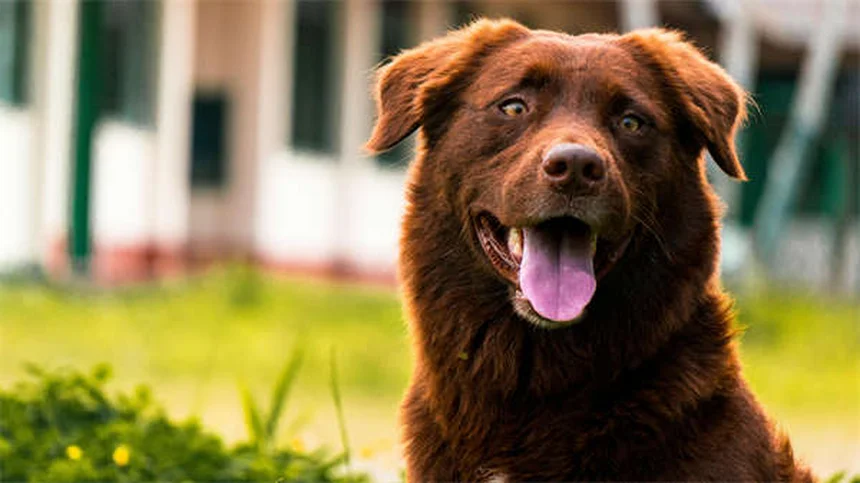 Photos provided by pixabay
The "Cute Factor" Trap
Imagine coming home to find a stranger sleeping in your bed, eating your food, and getting all the attention. That's how your current pets feel if you don't introduce the new dog properly!
Always do neutral territory meetings first - like a park or friend's yard. Keep initial interactions short and supervised. Watch for stiff body language, raised hackles, or intense staring - these are red flags.
Creating a Peaceful Pack
Set up separate spaces at first - different sleeping areas, food bowls, and toys. Gradually increase supervised together time. Some hissing or growling is normal as they establish boundaries, but never let it escalate.
Fun fact: Dogs actually follow a structured social hierarchy naturally. With patience, most will work out their relationship without human interference. Just give them time and space!
Mistake #5: Overlooking Medical History
Why Health Records Matter
Would you buy a used car without checking its maintenance history? Your new dog's medical background is just as important! Shelter dogs often come with incomplete histories, so assume they need everything.
Schedule a vet visit within the first week to:- Establish baseline health- Update vaccinations- Discuss spay/neuter if needed- Create a parasite prevention plan
Budgeting for Unexpected Health Issues
Here's another question: What would you do if your dog needed $5,000 surgery next month? Scary thought, right? That's why pet insurance or an emergency fund is crucial.
Many adopters are shocked when common issues arise - allergies, dental problems, or arthritis in older dogs. Being financially prepared means you can say "yes" to treatment instead of facing heartbreaking decisions.
Mistake #6: Going It Alone
Building Your Support Network
New parents don't raise babies without help, and neither should dog adopters! Connect with:- Local dog owners for walking buddies- Online breed-specific groups- Your vet for medical questions- Professional trainers when needed
I'll never forget when my first foster dog ate an entire chocolate cake. Panicked, I called the shelter's emergency line - turns out, the amount wasn't toxic, and the veteran staffer walked me through what to watch for. Support saves sanity!
Celebrating the Journey
Adoption isn't just about avoiding mistakes - it's about opening your heart to an incredible journey. There will be chewed furniture, mysterious stains, and moments of pure joy you can't imagine yet.
So take a deep breath, do your homework, and get ready for the love of a lifetime. Your future best friend is waiting!
Beyond the Basics: What New Dog Owners Often Miss
The Hidden Joys of Dog Ownership
You know about the walks and vet visits, but let me tell you about the magical moments you're not expecting. Like when your dog does that hilarious "butt scoot" across the carpet after a bath. Or how they'll become your personal alarm clock - though mine seems to think 5:30 AM is the perfect time for breakfast!
Here's something most adoption guides don't mention: Dogs have this incredible ability to turn ordinary moments into adventures. That quick trip to check the mail? Suddenly you're exploring the neighborhood together. Rainy day stuck inside? Now you've got a cuddle buddy for movie marathons. These little daily connections often become the most treasured parts of dog ownership.
Understanding Canine Communication
Did you know a wagging tail doesn't always mean happiness? A stiff, high wag can signal alertness or even aggression. I learned this the hard way when I misinterpreted my rescue dog's signals during his first week home.
Dogs "talk" with their whole bodies - ears back means something different than ears forward, and a yawn might indicate stress rather than tiredness. Learning this silent language helps prevent misunderstandings and builds a stronger bond. My local shelter offers free body language workshops - check if yours does too!
The Unexpected Challenges of Dog Parenthood
When Personalities Clash
We imagine this perfect match where the dog fits seamlessly into our lives. Reality check: My friend's hyperactive beagle once ate through a drywall because she left him alone for 30 minutes! Every dog comes with quirks that might drive you temporarily crazy.
The key is patience and adaptation. That beagle? Turns out he needed puzzle toys and more exercise. Now he's a certified therapy dog visiting nursing homes! Challenges often reveal hidden strengths - in both you and your dog.
The Emotional Rollercoaster
Nobody warns you about the first time your dog gets sick, or how you'll feel when they destroy something valuable. I still remember crying over my favorite shoes while my puppy looked up innocently with a shoelace hanging from his mouth.
But here's the beautiful part: these challenges make the bond stronger. When you work through difficulties together, you build trust that lasts a lifetime. And that shoe-destroyer? He's now 12 years old and still my shadow everywhere I go.
Creating a Dog-Friendly Lifestyle
Rethinking Your Space
You'll be amazed how quickly a dog reshapes your home. Suddenly, that glass coffee table seems like a hazard, and you're researching the best non-slip rugs. I turned my entire living room into a puppy-proof zone with baby gates and chew-proof furniture.
Consider creating:- A designated "safe zone" with their bed and toys- Easy-clean surfaces in eating areas- Secure trash cans (trust me on this one)- A rotation of mentally stimulating toys
Social Life Adjustments
Remember spontaneous weekend trips? They get trickier with a dog. But you gain a whole new social circle of fellow dog owners at the park! My local dog park friendships have lasted longer than some of my college relationships.
Here's a pro tip: Many breweries and cafes now welcome dogs. Some hotels do too! With some planning, you can include your pup in more adventures than you'd expect.
The Long-Term Commitment
Aging Together
That energetic puppy will eventually slow down. My lab used to leap over couches; now at 14, she needs help getting into the car. Senior dogs require special care but offer incredible companionship.
Consider:- Joint supplements as they age- More frequent vet checkups- Softer bedding for achy joints- Adjusted exercise routines
Financial Planning for the Long Haul
Let's talk about something uncomfortable: end-of-life care. Setting aside funds for potential senior health issues ensures you can provide comfort when your dog needs it most. I created a separate savings account just for my dog's healthcare - best decision I ever made.
Pet insurance can be a lifesaver too, especially for breeds prone to specific conditions. Just read the fine print - some policies have age limits or exclude pre-existing conditions.
Celebrating the Small Victories
The Training Breakthroughs
Nothing beats the pride when your dog finally "gets it." I nearly cried when my rescue stopped lunging at squirrels after months of work. These small wins make all the effort worthwhile.
Keep a training journal to track progress. You'll be amazed looking back at how far you've come together!
The Unexpected Lessons
Dogs teach us patience, presence, and unconditional love in ways we never expect. My anxious terrier taught me more about managing stress than any self-help book ever could.
They show us how to find joy in simple things - a sunny spot on the floor, the sound of the treat jar opening, the pure excitement of your return home. These are gifts that last long after the chewed shoes are forgotten.
E.g. :10 Mistakes to Avoid When Adopting a Dog – Pet Honesty
FAQs
Q: What's the biggest mistake people make when adopting a dog?
A: Hands down, it's choosing a dog based on looks rather than personality and lifestyle fit. We all fall for those puppy-dog eyes, but that adorable face won't tell you if the breed needs three hours of daily exercise when you work 12-hour shifts. I've seen retired couples adopt high-energy border collies ("so pretty!") and young athletes adopt couch-potato bulldogs - both setups usually end in frustration. The solution? Work with adoption counselors who know each dog's true personality. They're like professional matchmakers who can help you find your perfect companion, even if it's not the dog you initially noticed.
Q: How important is a trial period when adopting a dog?
A: Absolutely crucial - yet about 90% of adopters skip this step! Most shelters offer foster-to-adopt programs that let you test how the dog fits into your actual life before making it permanent. Think of it like test-driving a car (with more tail wagging). About 10% of adopted dogs get returned within six months - many of these could be avoided with a proper trial period. During your trial, keep a journal tracking the dog's reactions to your schedule, energy patterns, and interactions with family members. This real-world testing prevents heartbreaking returns later.
Q: Do all adopted dogs need professional training?
A: Here's the truth: every single dog needs training, but it doesn't always have to mean expensive professional help. Even "well-behaved" shelter dogs need to learn your specific house rules - maybe they've never seen stairs before or think your shoes are chew toys. The good news? Positive reinforcement training (using treats and praise) works wonders and can often be done through affordable group classes or even free YouTube resources. My rescue dog Buddy came to me terrified of men, but with consistent training using chicken treats (for him, not me!), he's now the friendliest guy at the dog park.
Q: How should I introduce my new dog to my current pets?
A: Slowly and on neutral territory! Imagine coming home to find a stranger sleeping in your bed and eating your food - that's how your current pets feel without proper introductions. Always do first meetings in a neutral space like a park, keep initial interactions short, and watch for red flags like stiff body language or intense staring. At home, set up separate spaces initially (different beds, bowls, and toys) and gradually increase supervised together time. Some growling is normal as they establish boundaries, but never let it escalate. With patience, most dogs will work out their relationship naturally.
Q: What medical preparations should I make before adoption?
A: Treat your new dog's health like you would a used car's maintenance history - assume nothing and verify everything! Shelter dogs often come with incomplete medical records, so schedule a vet visit within the first week to: establish baseline health, update vaccinations, discuss spay/neuter if needed, and create a parasite prevention plan. Most importantly, either get pet insurance or start an emergency fund - you don't want to face heartbreaking decisions if your dog needs unexpected $5,000 surgery. Common issues like allergies, dental problems, or arthritis in older dogs surprise many adopters, so financial preparation is key to saying "yes" to necessary treatments.